The sun is here, the sky is blue and I’ve got a One frame to share with you! (Oooh that rhymed!!). I’ve had a mini break from the blog to go on adventures and find things to snap…
Have ya had a good week? Since its week two of the Big Butterfly Count I thought I’d try something a little different from usual and write a book review!!
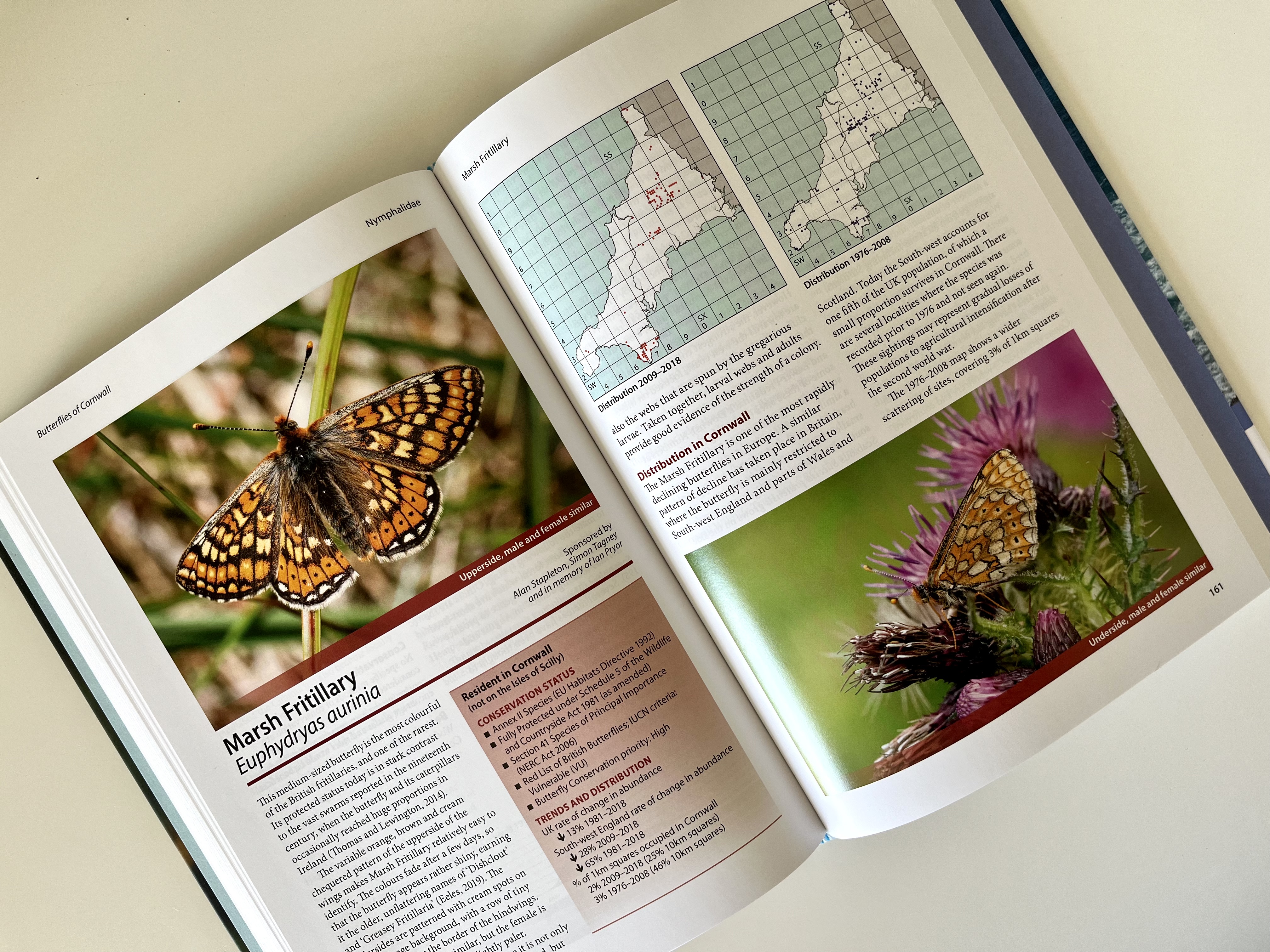
Incase it hasn’t already been established I’m a little bit crazy for butterflies and since I’m trying to entice as many of them into my newly designed/planted Wildspace, I thought that I’d try to find a book to give me an idea of which butterflies are most likely to visit the area (and grow the plants accordingly).
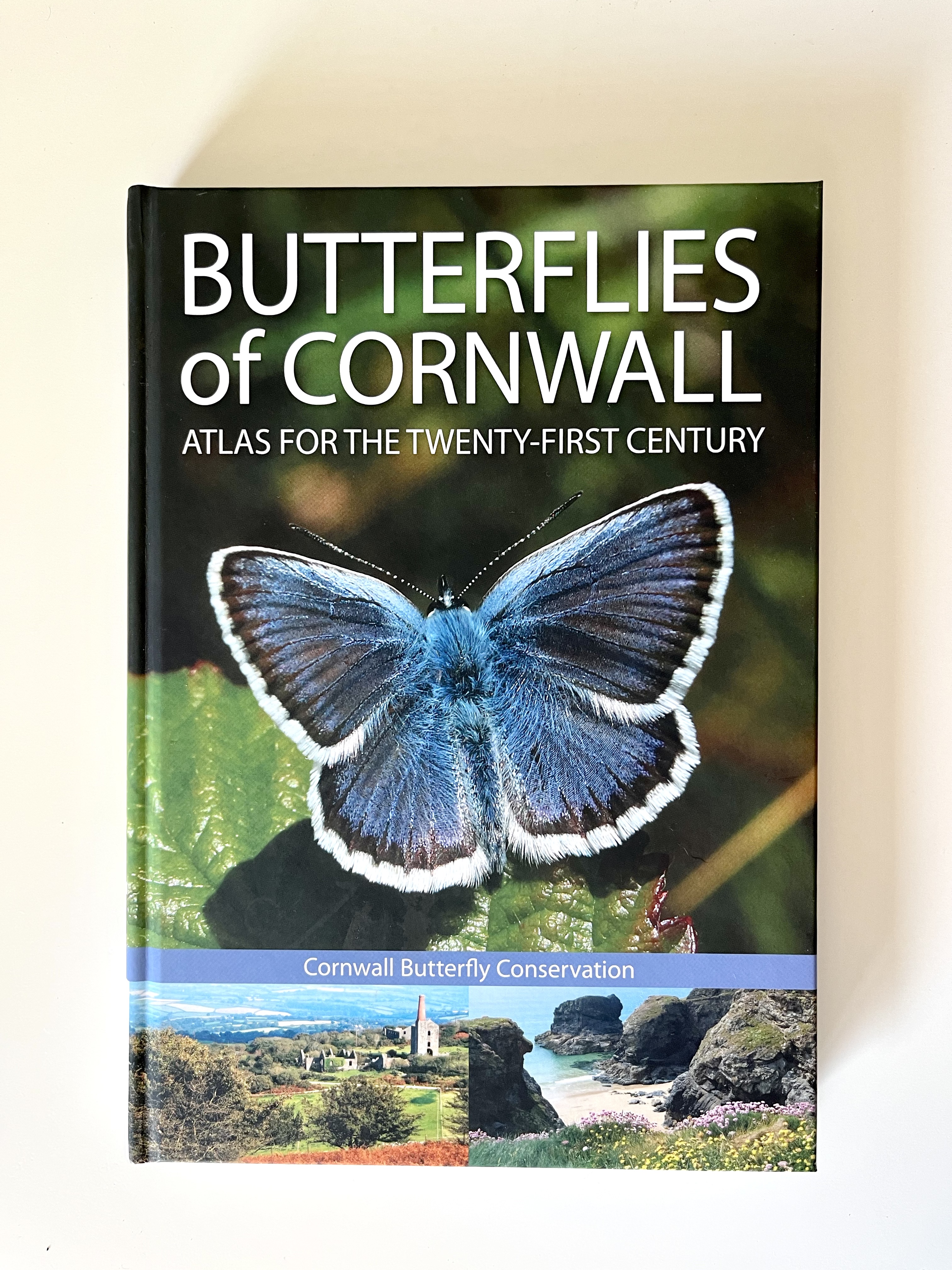
Butterflies of Cornwall, atlas for the twenty-first century was published by Cornwall Butterfly Conservation in 2021.
If you’ve not heard of them Butterfly Conservation is kinda like WWF or the RSPB, you join for about £3.00 per month and are sent an amazing welcome pack including postcards, and a lovely little book on gardening for moths and butterflies as well as a handy caterpillar guide and then you receive the Butterfly magazine three times a year (I get ever so excited when I know its on its way!) It’s a really lovely group to be involved with. They organise field trips and everything which is awesome.
Creepy crawly caterpillars, creep crawl creep. Creepy crawly caterpillars hear them creep. Crawly crawly creep. Creepy creepy crawl. I’ve got caterpillars to share with you all!!
Hello friends!
Firstly, d’ya like my song?
Secondly, ever bought a plant at a garden centre and ended up bringing aphids/bugs home?
Seeing as today kicks off Butterfly Conservations Butterfly Count I thought I’d share a look at the new peeps I’ve been caring for! (Warning its kinda a long post!)
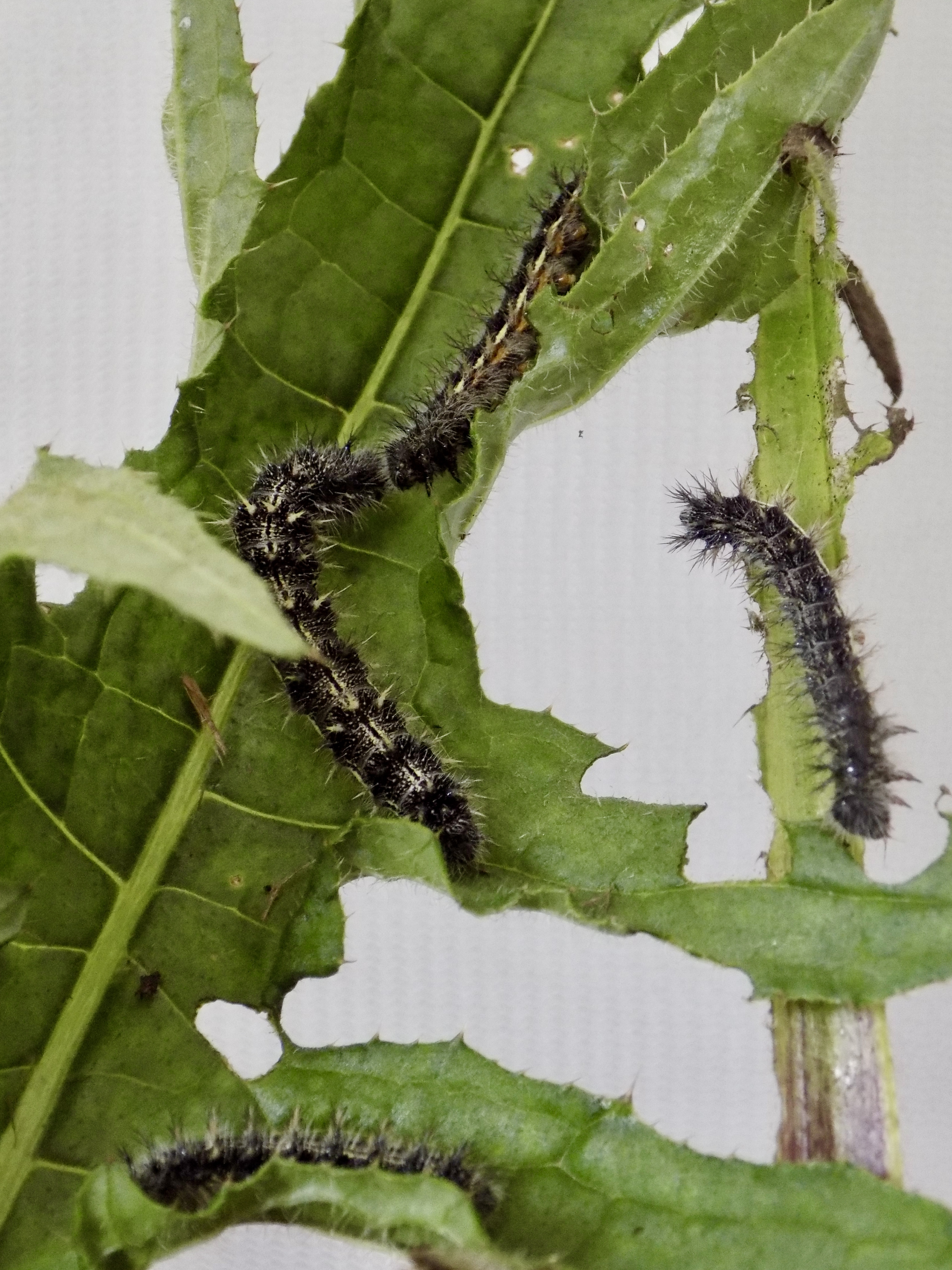
Well, as intoned in the above verse I’ve had caterpillars!!! I’ve actually set up and built my own butterfly house so that I can raise and release butterflies I find in the garden. Although I didn’t actually find these chaps in the garden (I found them in the kitchen), I decided I wanted to add a couple more thistles to my growing collection of plants because I love them, especially the pink ones! (there’s something punky about them) and while I was trying to find a moment to plant them I realised something was eating them…well it turned out to be caterpillars – Painted ladies to be precise! One of my favourites!!
Setting up and creating my own butterfly house to give them their best chance in life has been awesome – we have a lot of bird life here and apparently a blue tit chick can eat 100 caterpillars each day, butterflies are already quickly declining – if by doing my bit for conservation and getting nine out of ten pupae to emerge can help bolster the species numbers then I’ll do it. Plus, everyone needs a hobby and watching them complete their life cycle brings me such an extreme amount of joy I can’t really put it into words.
This week is insect week – which is run by the Royal entomology society to try and get us to engage with the importance of insects/pollinators.
Something I love about photographing bugs or animals is that you have until they lose interest or fly away to try and capture an amazing image so this week I thought I’d share seven of the best (in my opinion) bug photos I’ve taken over the last month or two.
This year I accidentally bought a dyer’s camomile instead of the regular type you make tea with and the flowers are massive, this iridescent green swollen-thighed beetle (Oedemera nobilis) rested on it for a few minutes and then flew away.
Here’s a little butterfly centred post fluttering its way to you. You might remember that a couple of months ago I posted about rescuing some orange tip butterfly pupae?
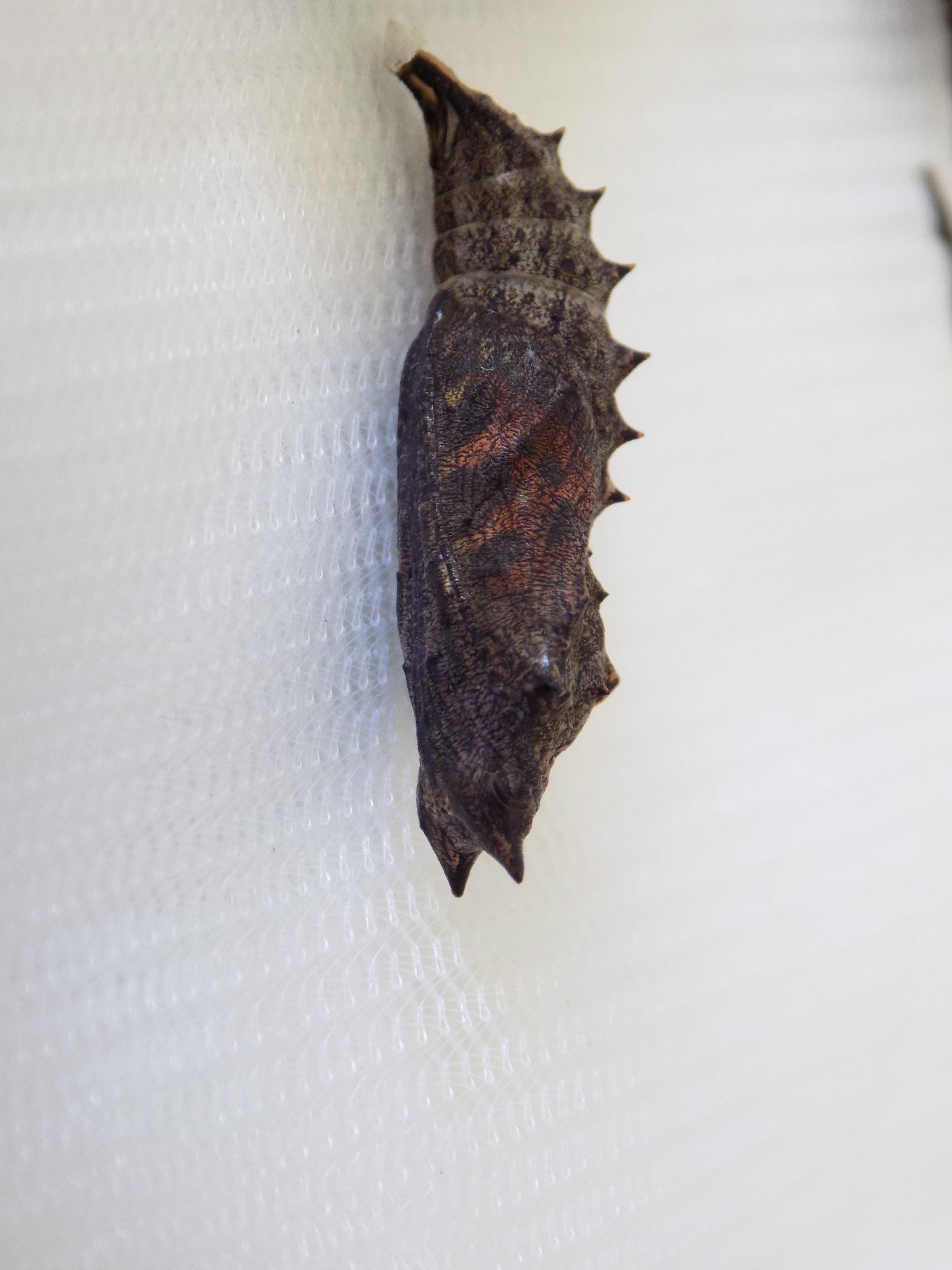
Well recently I’ve been caring for 9 Small tortoiseshell caterpillars, which pupated about ten days ago! It was so exciting. I’ve raised these butterflies before, my newly improved butterfly house involves serval pop-up mesh enclosures and many different types of butterfly friendly plants to simulate the outside world – in an attempt to give them a better start in life.
Butterflies in the UK are declining so quickly that I want to be able to save as many of them as I can to help boost the local populations.
I love it when they ‘colour up’ and you can see the suggestion of wing patterns through the shell.
Seeing as spring has definitely sprung I thought I’d post a little nature filled one frame this week, I was out for a walk the other day and met a recently fledged juvenile blackbird!
Isn’t he beautiful?! At least I think its male because of the really dark wing feathers. Something I didn’t know is that baby blackbirds usually leave the nest before they can actually fly and scramble their way around trees and bushes, while hoping not to be eaten!
Blackbirds are actually a member of the Thrush family and are one of the UK’s most common birds they also have the prettiest of birdsong.
When I took this photo it was a bit nippy but the light was amazing and he was quite happy for me to take his photo. With my camera (which is a bit of a relic) anything at a distance gets a little bit blurry, but this little fella was only about a foot away so I was able to capture his details and I’m super happy with the final image.
So that’s it for this week, one lovely blackbird photographed for this post. I hope you like it. Do you have a favourite wild bird? They are wonderful creatures and I love watching them. As always thanks for reading and have a wonderful week!
This weeks post is a butterfly centred photography collection.
I recently had to have a bit of a clear out in my new garden, for many reasons but mainly that (1) it was full of some seriously dead plants and (B) there was a little section of fencing that connected to the dry stone wall (I mean its literally one of my life goals to have a garden with a dry stone wall) that meant my dog could get out. I felt so bad for having to take away some of the dead plants but needed to make it safe for my pooch.
While I was having this clear out I found four Orange tip butterfly pupae! Being a towny I’ve never really seen these before and the pupae themselves were tiny, but being the bug freak that I am I brought them inside and created an environment for them to finish their transformation and wanted to share the photos with you.
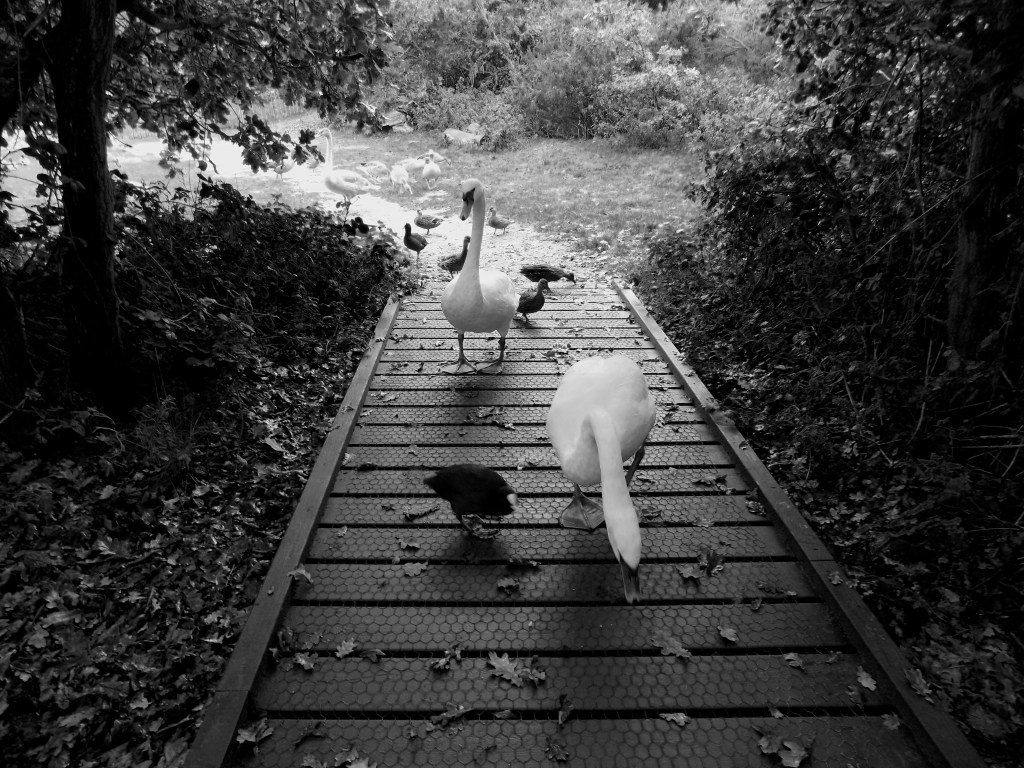
Lots has been happening here – I’ve changed my url to artymissk.com (it feels so cool to be .com) and I thought that I’d kick off my first real post of the year with some photo editing. I really love black and white images – they feel timeless so I thought I’d have a go at editing the swan photos that I took last year.
I really love black and white images – they feel timeless so I thought I’d have a go at editing the swan photos that I took last year.
These pictures are beautiful in colour of course but the elegant tones of black and white really highlight the shape of the birds.
Mute Swans really are magical birds. The local ones although being totally wild, are really rather domesticated and friendly! They get incredibly close – the adults are enormous and will actually take food form your hands.
I truly believe Mute Swans to be the most magical and gentle of wild birds. These beautiful birds are one of the heaviest British birds and can grow as heavy as 14kg and have a wingspan of 2.4 metres (over 7ft), it’s the largest of our British wildfowl species. I love swans they have so many myths and stories and float about all gracefully on the water.
So, enjoy some calming nature photography…
Remember when you were told not to feed the stray cats…well I started feeding the birds by the river – not bread, because that’s bad for them, I feed them Wildthings Swan and Duck Food because it floats. now they assume I have food all the time and will follow me!
I thought I’d try and put together a little collection of things to these amazing birds.
This adult and almost fully grown cygnet very nearly made a heart shape, I got so super excited when I realised that I had taken an okay picture! The adult swans are enormous but will literally stand right next to you and while they are genuinely wild birds, they seem so domesticated.
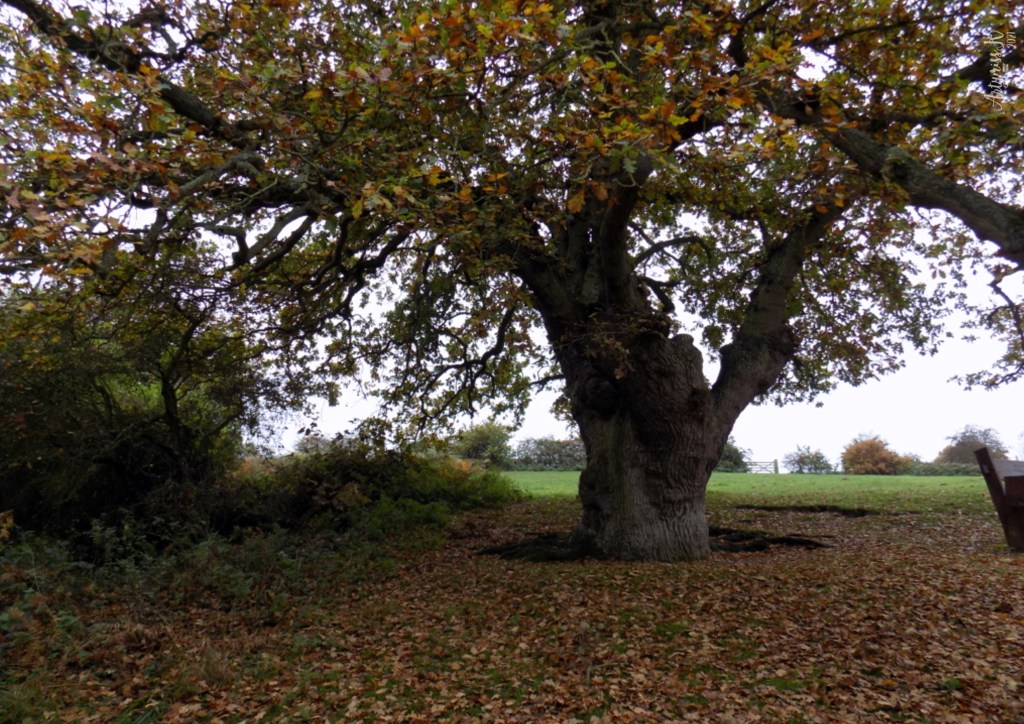
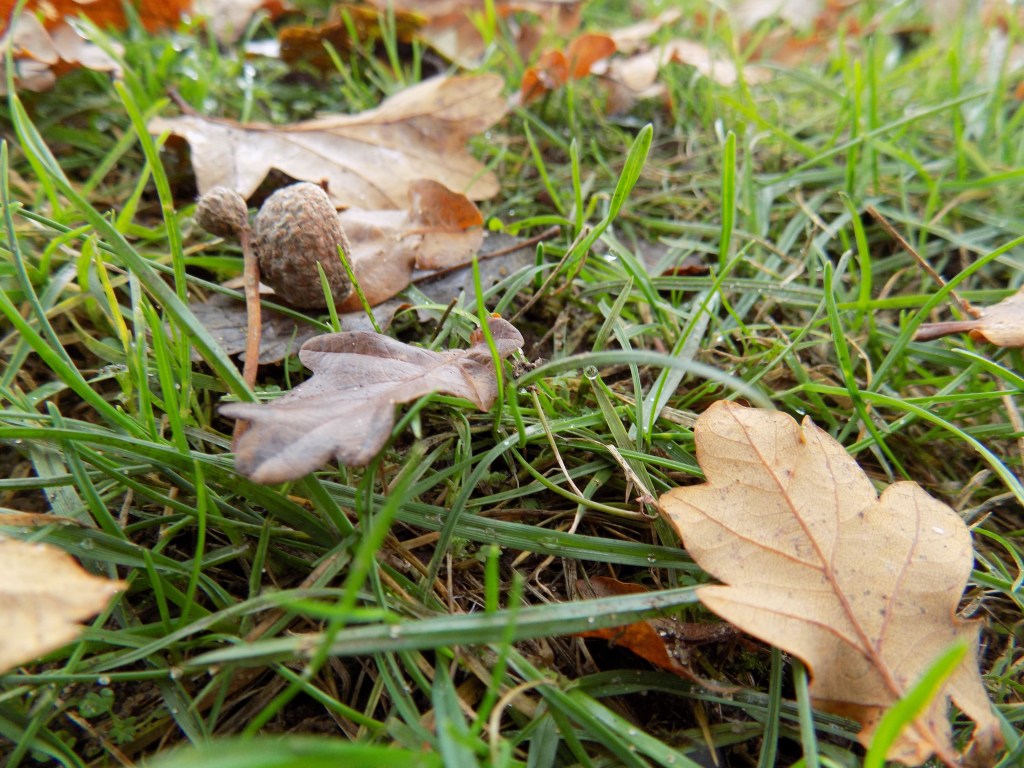
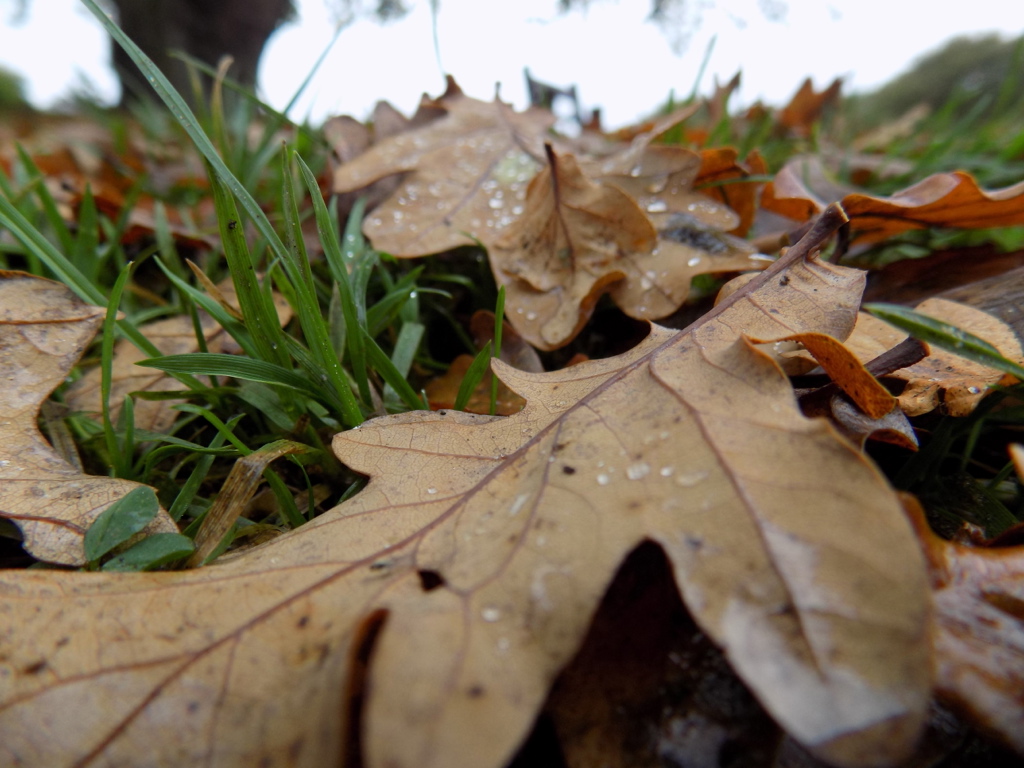
I genuinely think autumn is my favourite season the colours and textures are just so amazing. This beautiful tree is an old friend standing in the autumn sun…aren’t trees just magical, being all leafy and sucking carbon from the atmosphere. This is one of my favourites, although the colours of summer lingered a lot later than normal.
Enjoy some warm and calming autumn colours…
I thought I’d try and put together a little collection of things relating to this old tree.













 ArtyMissK
You must be logged in to post a comment.