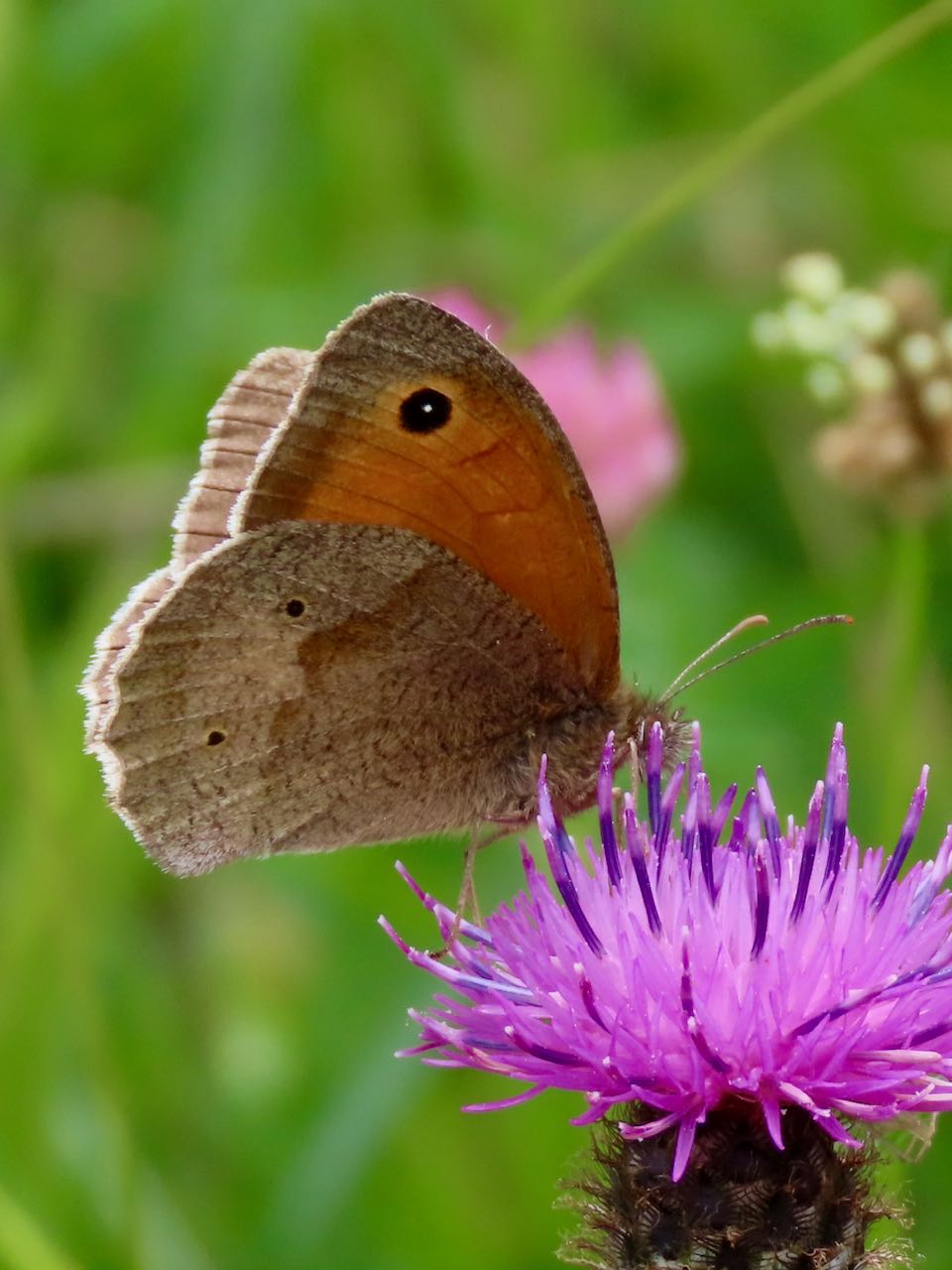
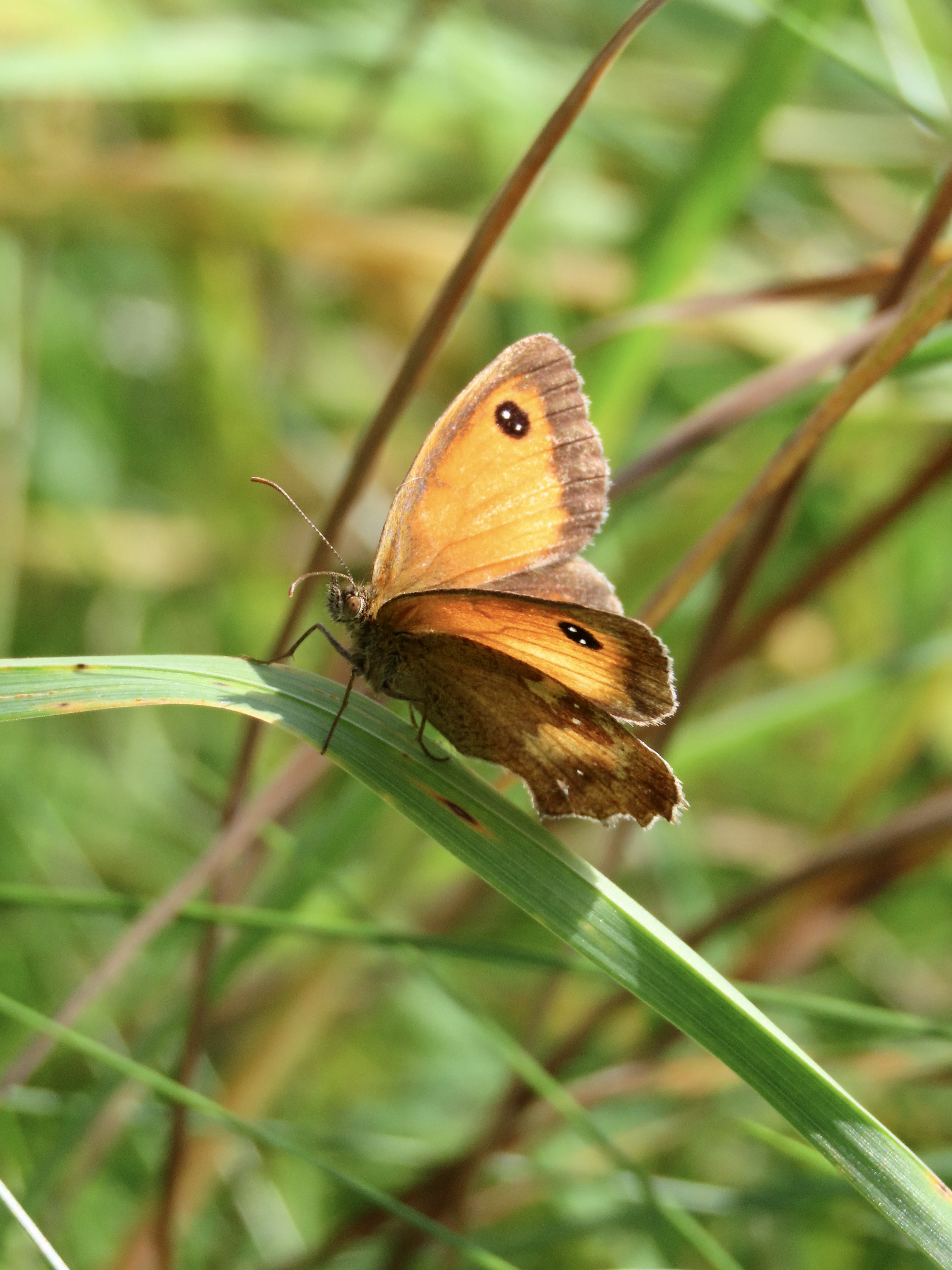
Wall! (a super exciting tale!)

Hey friends! 

This week I’ve got a super special post for you, I’m really very excited about this one!!

But first lets go back to the glorious sunshine filled days of July 2025…

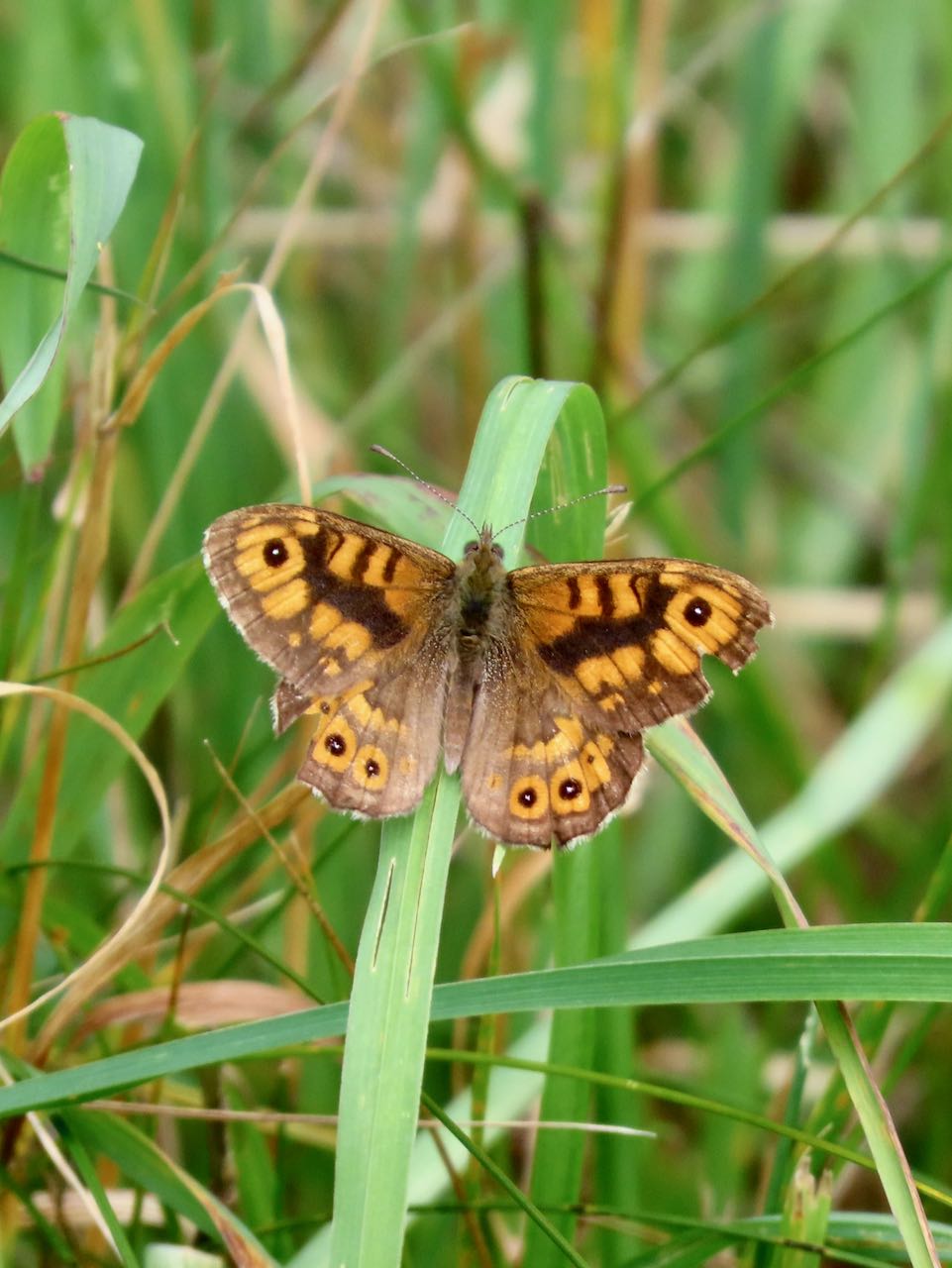
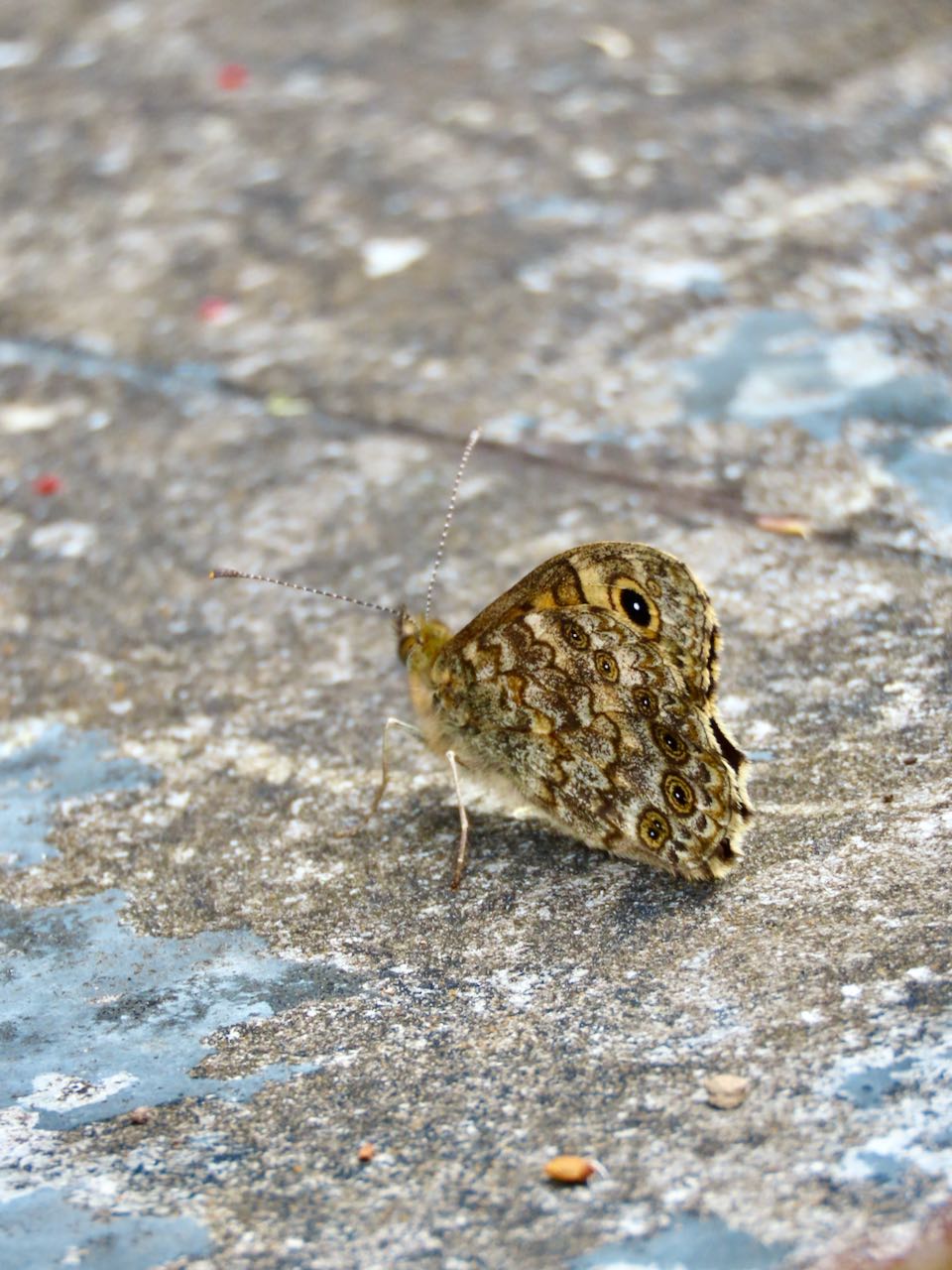
Last summer I met a whole bunch of Wall butterflies for the very first time, mainly while walking around the village – they seemed to have a colony in the old no longer used and derelict churchyard, but I wasn’t expecting to ever see one of these butterflies in my very own garden.

I always assumed any small-ish orange and brown butterfly in the garden was probably Meadow Brown or Gatekeeper so I wasn’t really chasing every single one I saw…big mistake when I realised my garden of wildflowers was attracting a slightly-rare butterfly I was over the moon.

Wall (Lasiommata megera) is similar in size (about 4.5cm) and colour to Gatekeeper, but is so much more patterned and I think looks more like a small fritillary butterfly. They like to bask in the sunshine on you guessed it walls.

They are beautiful.

The most exciting thing is that Wall are considered to be scarce, Butterfly Conservation list them a high priority for conservation and they are classes as ‘widespread but rapidly declining’ which is sad.

I was lying in my hammock on a lazy afternoon when one of them landed on a grassless patch of the dry stone wall at the bottom of the garden and I sat and watched her for ages – that was enough for me, just knowing that a type of butterfly that’s considered to be a little bit rare actually found my garden!

However, I never imagined that this spring I would find a pupa of one of these creatures, back at the beginning of April I decided to tidy up the grass that always seems to take over pots that are left unattended…imagine my surprise when I found this pupa!

Mind blown!

You know me enough by now realise that when I find eggs/caterpillars in the garden then I’m probably going to raise them safely in my butterfly house, but I was a good girl and instead of disturbing this one I simply deployed my Outdoor caterpillar protector which is an old bird cage that I removed the bottom from and covered it with a net curtain – it works just like a plant cloche but the little holes in the netting allow air to circulate.

Just to point out my usual butterfly raising disclaimer, I’m only rescuing the ones I can identify as eggs as some caterpillars can be tricky to raise or are protected species. If I don’t trust that I can look after them properly and give them the right food plant/proper environment then my plan is always to just leave them alone.

Obviously the grass didn’t get pulled up . I did my very best not to interfere and just obsessively checked on it every day. Eventually the pupa began to go see through and I could see the tiny wing patterns through the case. I’m always amazed by how butterflies and moths actually fit into their pupa cases, it seems like such a squeeze!

This may be my best pupa photo ever.

And one morning when I went to check on her she had emerged! I very carefully moved her to an orange slice that was sitting on the arm of one of my garden chairs (I like to put orange slices out for the bees in spring) and let her feed before she flew away.

Now she is out there living life and hopefully will come back and lay eggs in the garden and I can help this species as much as possible.

So that’s pretty much the end of this not-quiet-a-butterfly-tale butterfly tale, I’m beyond thrilled to not only have seen these butterflies but to also know that my wild garden is working!

As always thank you so much for reading this post and I really hope you have a great week!

A Moment with Mrs. Tiggy-Winkle {One frame}

Hey friends! 

Can you believe we’re already nearing the halfway point in June! (OMG that means we’re nearly halfway through the whole year!)

I’ve got a new one frame to share with you, I kinda ummed and arred about what I wanted to post this week and in the end I was scrolling on insta and one of my photos popped up so I figured as I hadn’t shared it here yet, why not do it now.

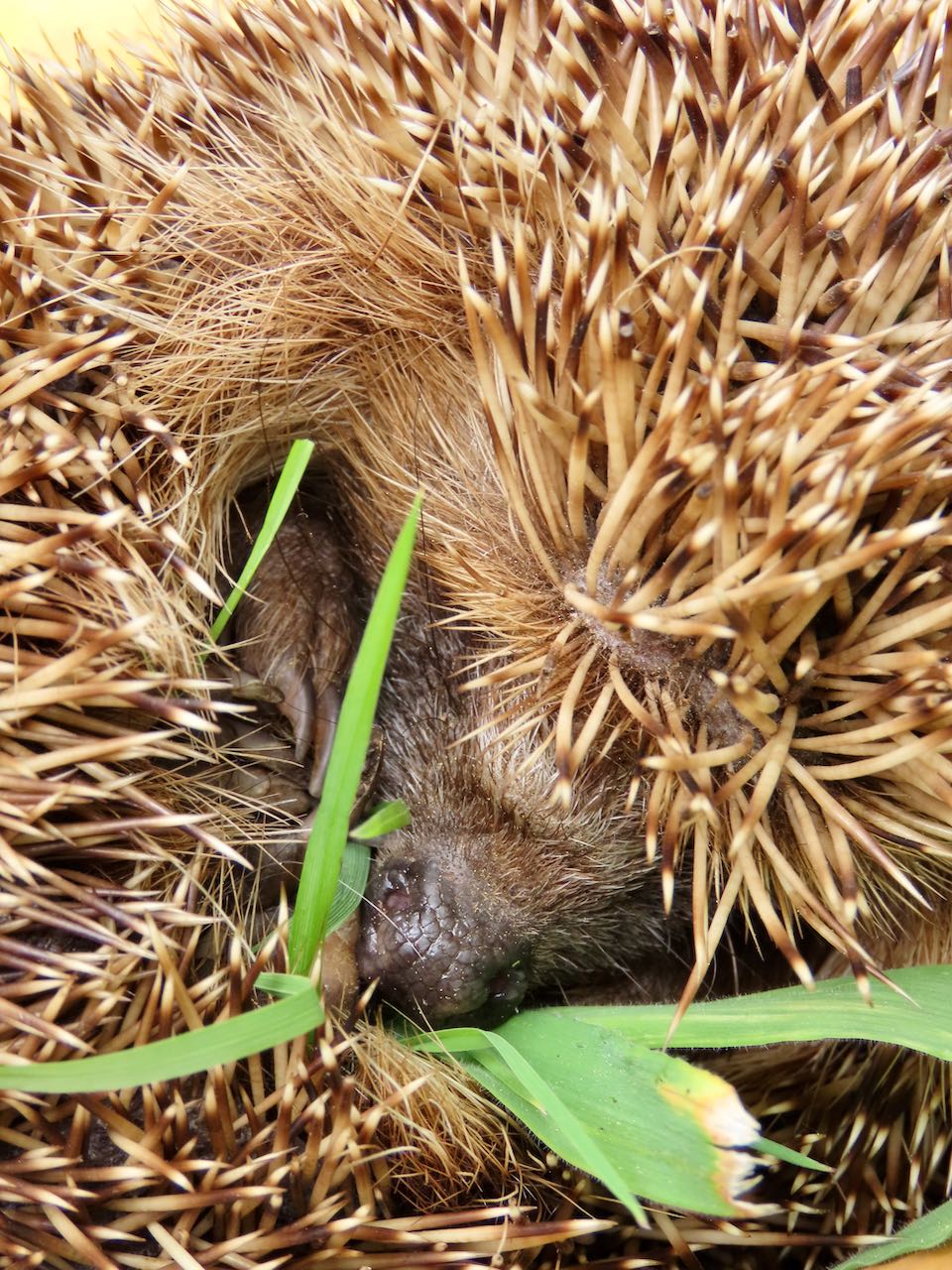
We regularly get hedgehogs in the garden here at night and a few weeks ago I met a real Mrs. Tiggy-Winkle out and about roaming the garden in the day! I’ve never seen a hedgehog during the day before, she was sitting in the grass and we didn’t want her to be left out in the open so out came the sturdy gloves and she was (very carefully) put in the quietest corner of the garden inside the hedgehog house. But I couldn’t resist getting a quick photo! 

Look at her little nose!!

The European Hedgehog (Erinaceus europaeus) is one of our most famous wild animals, covered in sharp spikes and really rather sweet these animals are normally spotted at night but at certain times of the year can be seen during the day while collecting nest material! 

Hedgehogs eat more or less anything they can catch from crunchy beetles, to slugs and worms! These amazing creatures are covered in about 7,000 spines which are actually modified hair (its super sharp!) and have the ability to roll themselves into a ball when threatened.

We have 3 or 4 individuals who are all different sizes, and I’m forever finding their droppings in my wildspace – I think backing onto natural farmland has a lot to do with the creatures that find the garden, we also get rabbits and badgers and somedays we even have Red Kites and Buzzards fly over the garden as well as have owls at night!).

After taking her photo and placing her in the hedgehog house, we put some food down – which she devoured in 10 minutes before disappearing under the fence so I think she was healthy and just out for a stroll! 

I really hope we get hoglets in the future!

Thanks for stopping by to check out this post, do you get hedgehogs where you live? They are so very cute! As always thanks for reading and have a wonderful week!

Raising Small White Butterflies

Hey friends!

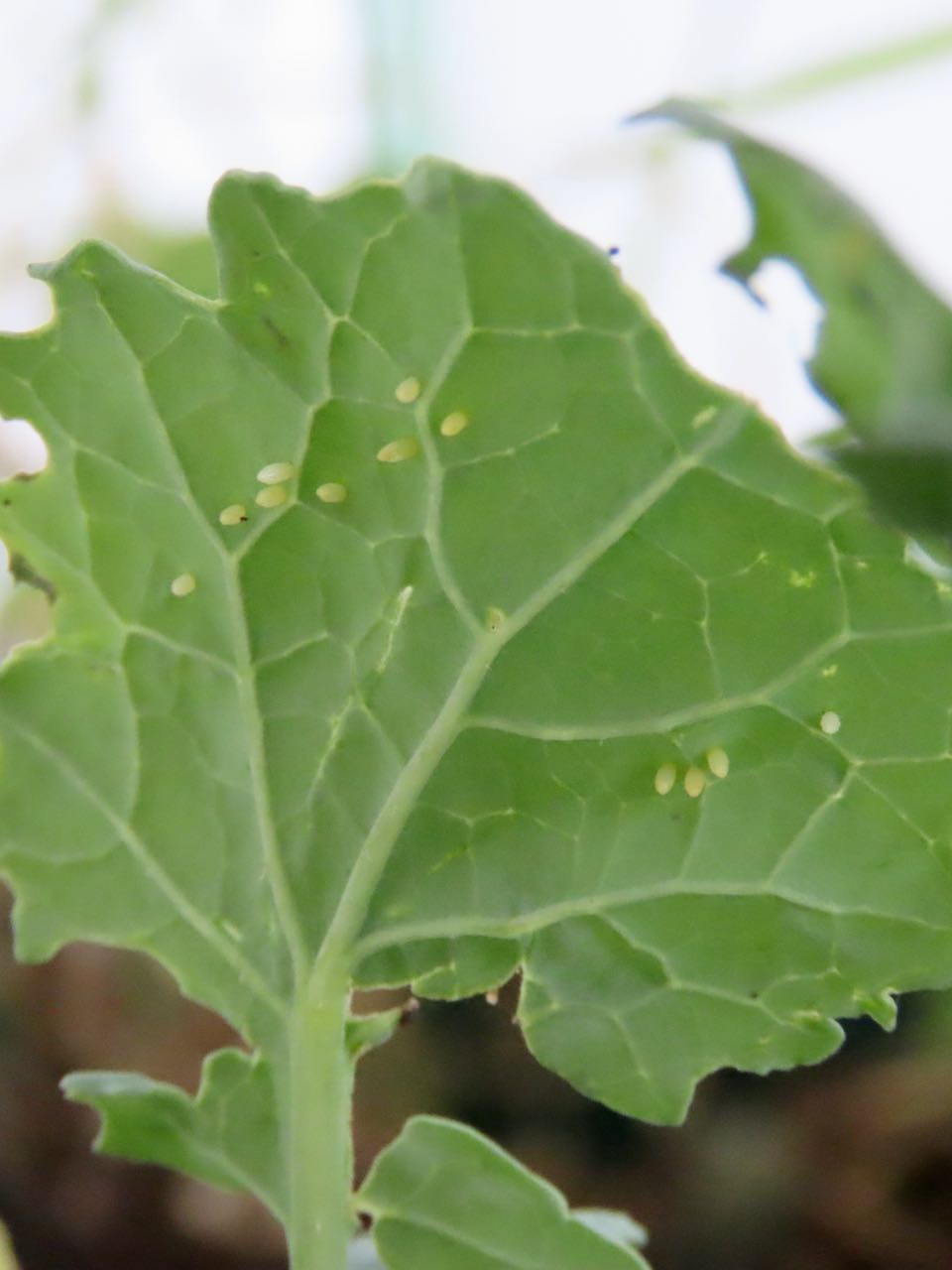
I’ve got a brand new Butterfly Tale for you this week which is always exciting, it actually began last August when I spotted a tiny two leaf wild cabbage growing in my front garden totally at random. I only even really noticed it because a cabbage butterfly was paying it so much attention. When I went out with my watering can to feed my plants I realised that she had laid thirteen eggs on this teeny tiny plantling! I just couldn’t leave it where it was – directly underneath the bird feeder, so I carefully dug up the cabbage and moved it into my butterfly house.

It was only a few days before the eggs hatched and quite quickly they began to eat both leaves of the cabbage, at this point in the year I didn’t even have any other plants to give them so I resorted to buying organic ones from the supermarket! By the middle of September they had grown into these handsome green chaps.

Just to point out my usual butterfly raising disclaimer, I’m only rescuing the ones I can identify as eggs as some caterpillars can be tricky to raise or are protected species. If I don’t trust that I can look after them properly and give them the right food plant/proper environment then my plan is always to just leave them alone.

Once they were big enough to be identified I worked out that they were actually Small White – I’ve never had a chance to raise these before, usually Large Whites sneak in and take over the garden…I always feel sorry for my neighbours in the summer as I tend to raise and release about 100-150 Large White butterflies every year, but Small White have always eluded me.

FWIW Cabbage butterfly is actually there term we give to several white butterflies Large/Small/Green veined/Wood they all look basically the same as butterflies but the caterpillars are so different.

Small White (Pieris rapae) are a medium sized butterfly and both sexes have a wingspan of 48mm, they are one of our most widespread fluttery friends and can be found in more or less any setting as they are happy to eat a wide variety of host plants from cabbages (even wild ones) to nasturtium, garlic mustard and hoary cress.

They all began to pupate at the end of September, unhelpfully two decided to pupate on the back of the zip to the enclosure which made photographing the pupa really hard! And then they stayed quite happily sleeping through the winter until they emerged. 

Sadly of my lucky 13 pupa one didn’t emerge successfully and wasn’t able to fly so I kept her indoors and fed her on slices of orange and freshly cut flowers. I get far too attached to my butterflies and always name the ones I can’t release (which thankfully doesn’t happen very often) so this is Crumble.

I love ‘cabbage butterflies’ it so nice to be able to give them a safe space to grow, my reward for which is that theres normally 4-5 white butterflies in the garden at any given time during the summer months (which I love!) and this photo is pretty cool because it shows the almost non-existent differences between the Small white on the left and the Large white on the top of the chive.

Its so nice to know that I’ve been given the chance to raise these caterpillars, and been able to keep them safe so that they can now go and roam free in the big wild world and lay more eggs to keep the world pollinated!

Thanks so much for reading this post and I as always wish you a happy and love filled week ahead.

Hello! (A little bit about me!)

Hello my friends! 

Welcome back to another edition of ‘What have I been up to!’

I figured I should finally introduce myself, because I think it’s nice to be able to know a little bit about the person behind the pictures. 

I can’t believe I’ve not done this before, although I really don’t like having my picture taken so thats probably got something to do with it! Basically I made these slides for insta and thought why not post them here too!

Ready here goes…

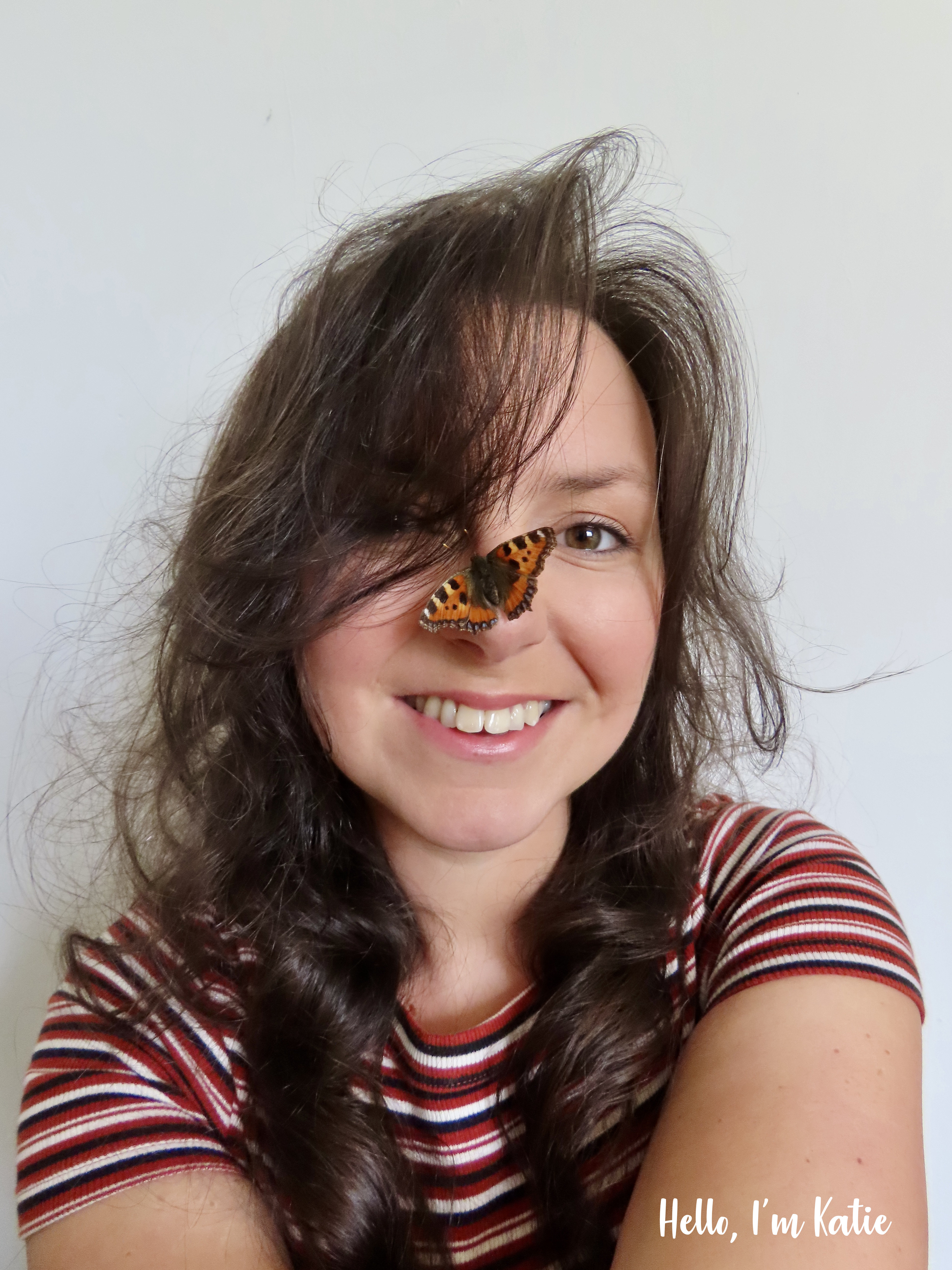
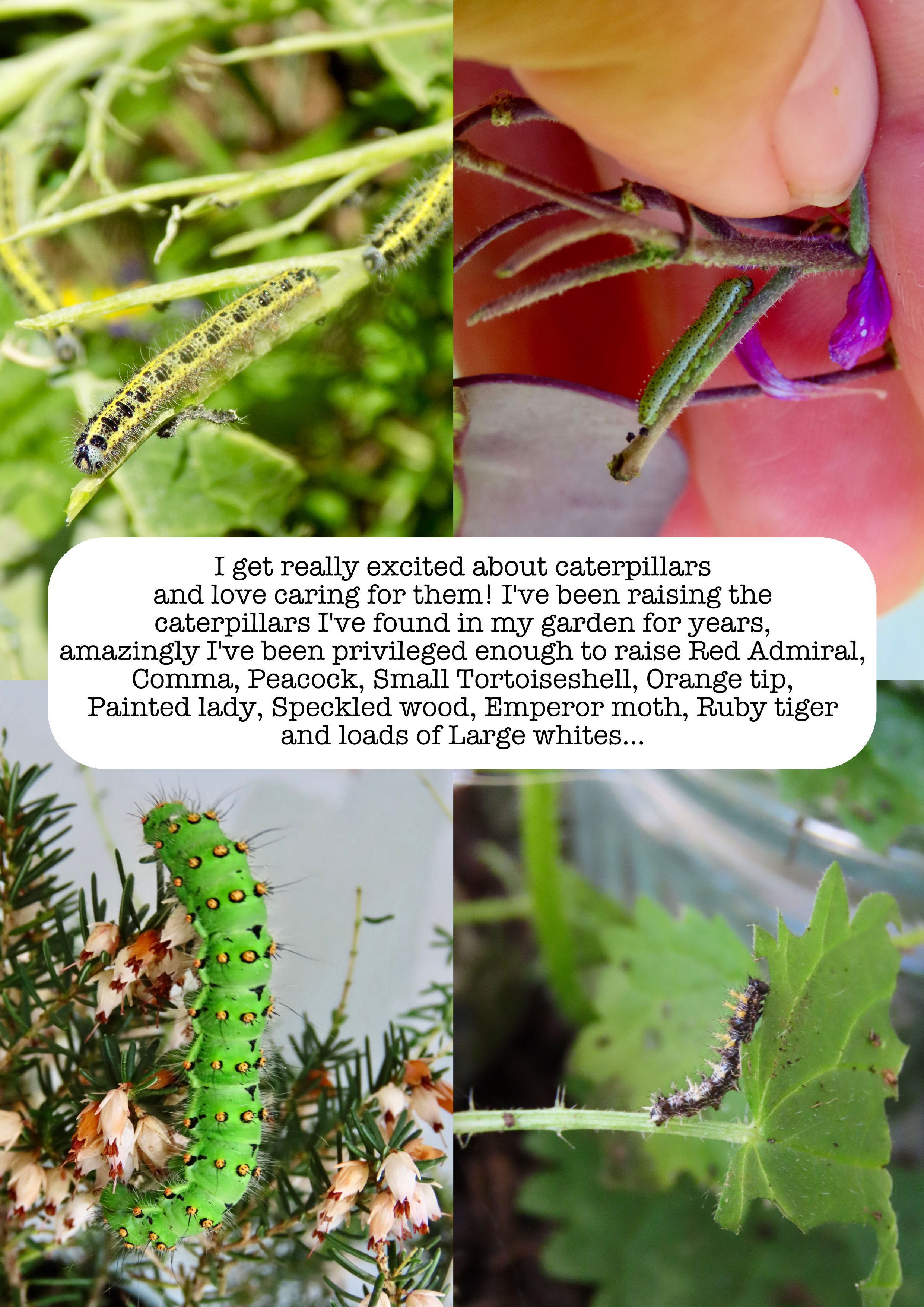
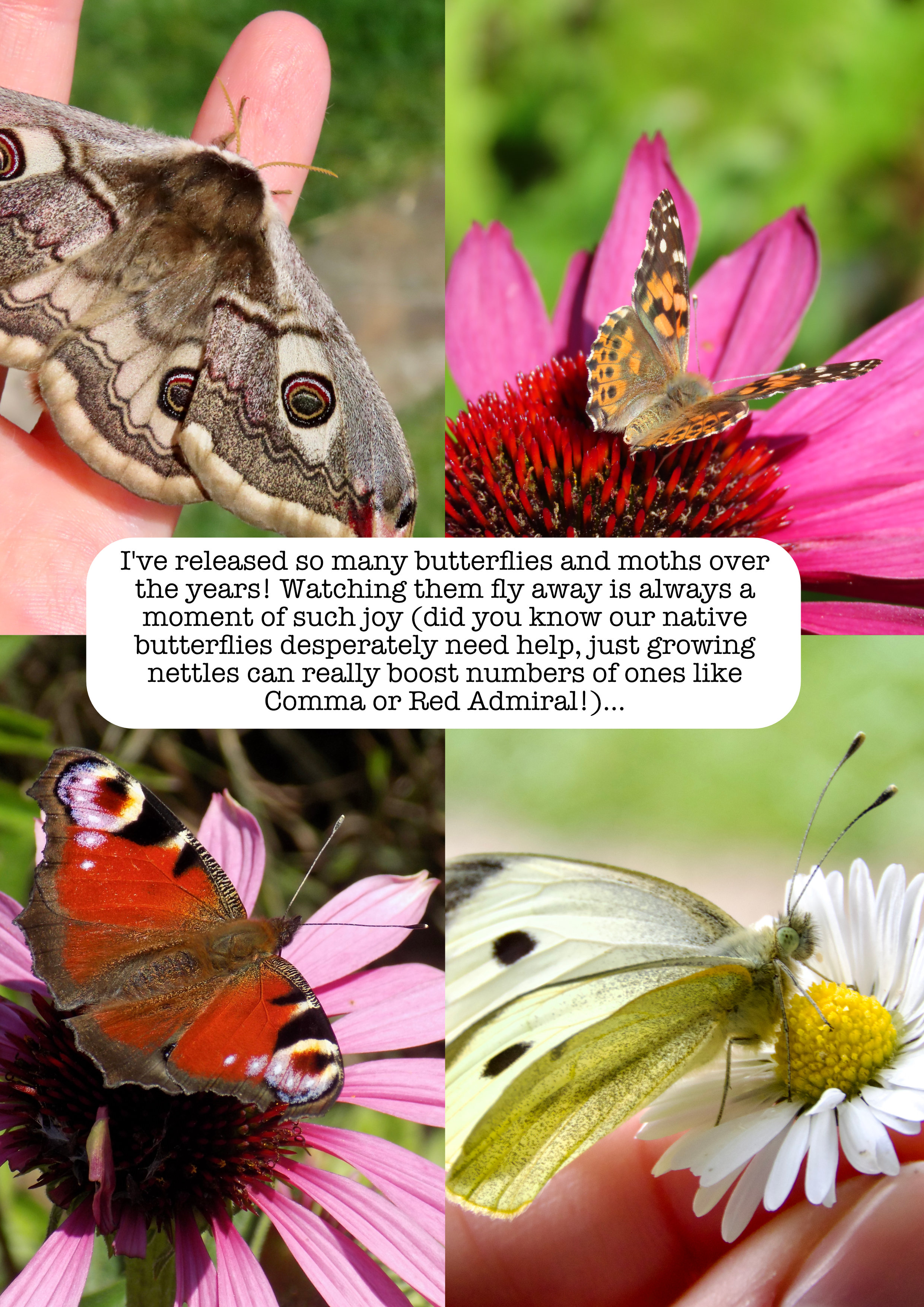
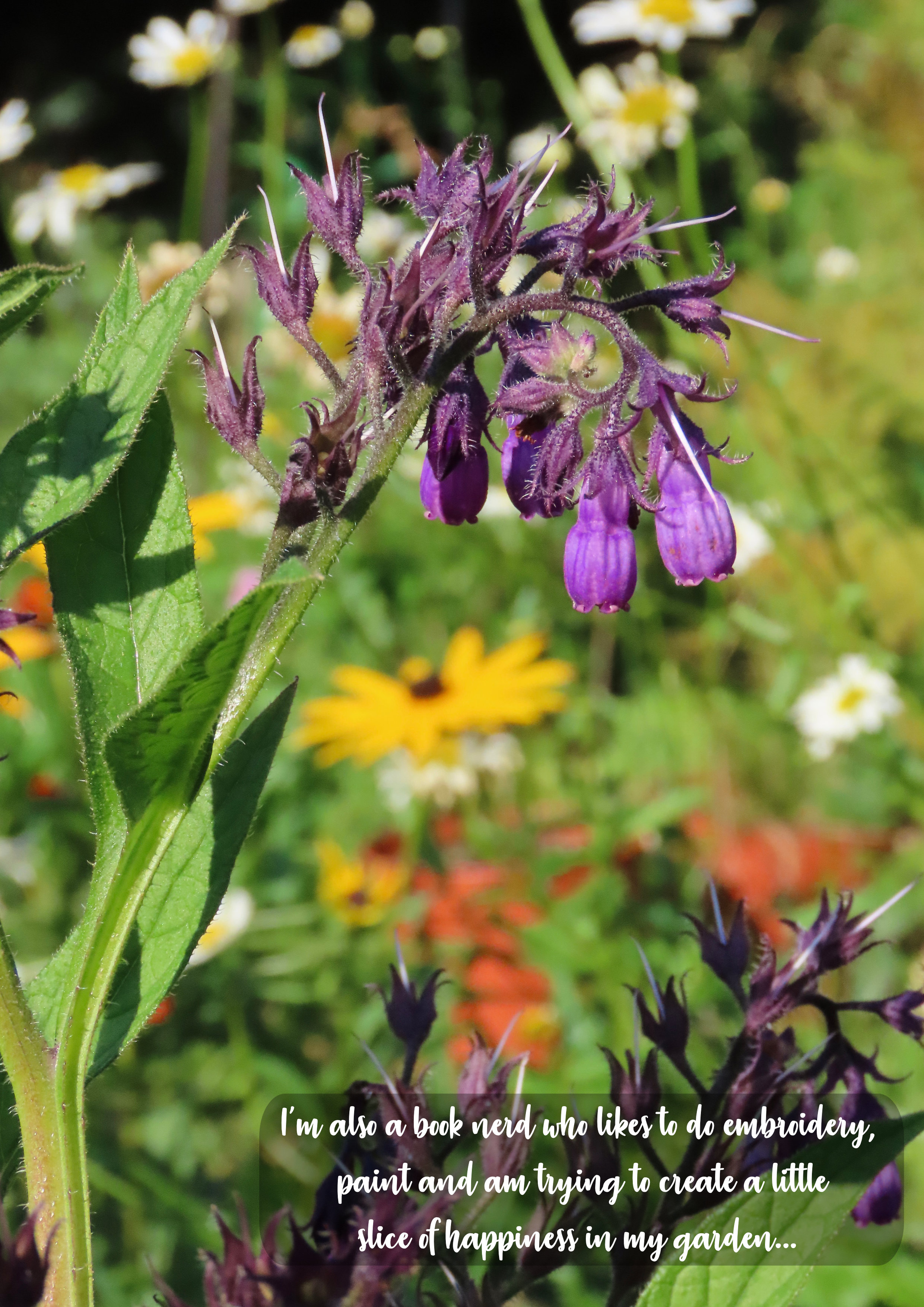
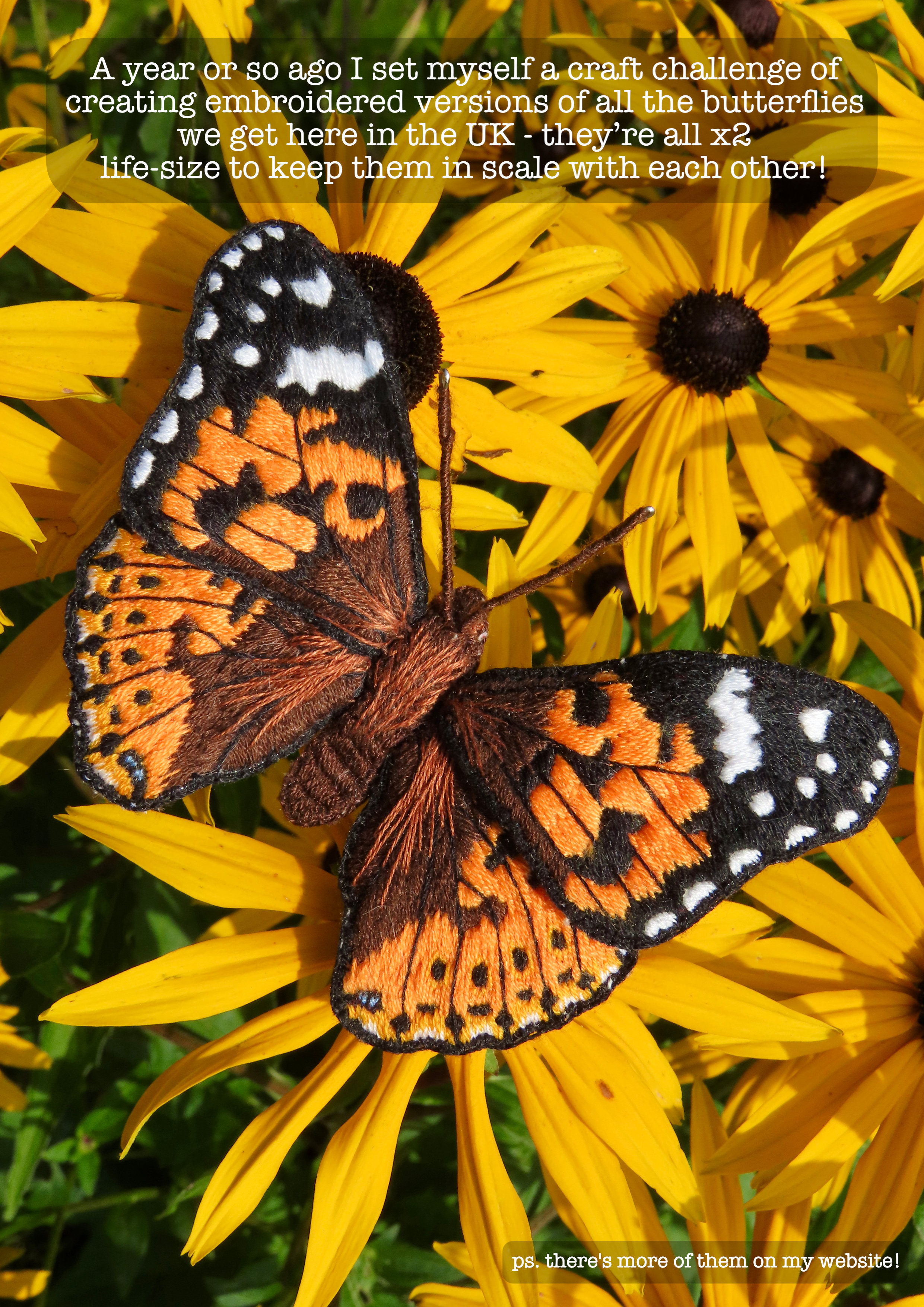
So hey, my name is Katie and I’m a UK based nature nerd, I’m also a book nerd who likes to do embroidery, paint, and is trying to create a little slice of happiness in my garden. I like raising caterpillars and giving them a safe place to complete their life cycle, which I’ve been doing since I was a kid. I use this account to post pictures of bugs I’ve seen, things I’ve painted or created, caterpillars I’m raising and trees (very important!).

I’d really like to give a special thank you to anyone reading this whether you’ve only just started following me or have been here for a while, it really means the world to have found such a kind corner of the internet.

I really hope you’ve enjoy following along on this journey. As always thank you so much for reading my friends, and have a lovely week!

ps. Trying to take selfies with butterflies is really hard, you have to be so quick!

Raising Orange Tip Butterflies (2026 edition)

Hey friends!

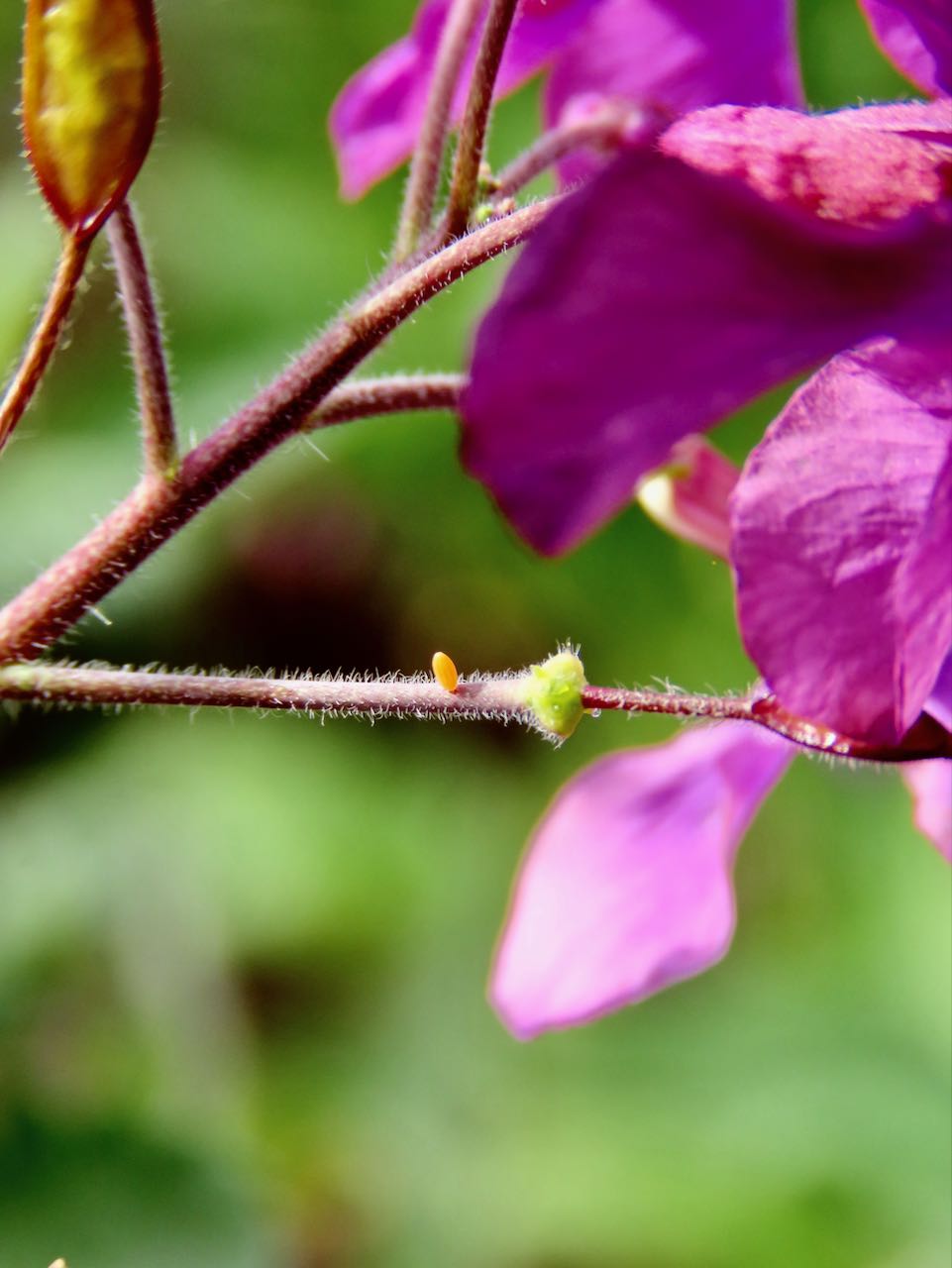
I’ve got another brand new Butterfly Tale for you this week which is exciting and has been a whole year in the making. When I planted my Honesty seeds last summer I did so in the hope that Orange tips would come and lay eggs in the garden – in 2024 I only found a single egg and cared for her as much as possible, so I was thrilled to find not one but eleven eggs in the spring of 2025!

They were spread across several plants, Orange tips do this because the caterpillars are cannibalistic when small although I’ve never worked out if that means they eat all caterpillars or just their brethren). I sleeved each egg in a mesh bag to keep them safe from predators and checked on them after about three weeks.

Eight of the eggs had hatched into tiny green caterpillars!

Orange tip butterflies really like to lay their eggs on Lady’s smock which seemed to flower later than normal but thankfully my Honesty plants were massive and I’d grown plenty of them!

Popular belief says they don’t do well on Honesty but they all survived!

They seemed to be small for ages, but once they were almost fully grown I popped them all into a house together to form their pupa as we had bad weather coming and I didn’t want them to die after working so hard to grow this big.

Just to point out my usual butterfly raising disclaimer, I’m only rescuing the ones I can identify as eggs as some caterpillars can be tricky to raise or are protected species. If I don’t trust that I can look after them properly and give them the right food plant/proper environment then my plan is always to just leave them alone.

In the end they all pupated in the same corner of the house (about three days later) and I was able to carefully move them to a small travel case were they have remained before successfully emerging as beautiful butterflies. 

I have literally been caring for these creatures for a year! When I moved into my house back in 2022 I found three Orange tip pupa when I was clearing the garden (boy did it need work!) which emerged in 2023. That year I found only two caterpillars which didn’t ever emerge, then in 2024 there was only one Orange tip and for 2025 I found these ones.

Orange tip butterflies (Anthocharis cardamines) and are considered a medium sized butterfly with a wing span of up to 5cm. The males have a large orange spot on the forewing while the females look like a Small white.

The big release day came and went and off they flew out into the big wild world.

The weather has a lot to do with the success of these butterflies 2024 in particular was a really wet spring and the pollinators suffered as a result.

I planted more Honesty seeds than normal last summer and already have enough plants for these guys to for forth and hopefully get busy, also the front garden is full of these delicate pink lady’s smock flowers which is their favourite egg host plant! I can’t raise these ones indoors but I can certainly give them extra amounts of plants in the garden.

Thanks so much for reading this post and I as always wish you a happy and love filled week ahead.

Raising Speckled Wood Butterflies

Hey friends! I’ve got a new Butterfly Tale for you this week!!

This is very much a surprise butterfly tale, last year I decided to weed the grass out of my birds foot trefoil pots and I found three little cream coloured eggs!

I felt really bad about disturbing them and popped the little stems of grass into an enclosure in my butterfly house with (don’t judge me) a new pot of fine stem grass…thats right I actually potted up grass (my brother thought I’d lost my mind).

After really studying the eggs I guessed they were either going to be Speckled wood/Meadow brown/Gate keeper or a type of grass eating moth – I figured that if they were actually going to eat birds foot trefoil then the eggs wouldn’t have been laid on the grass.

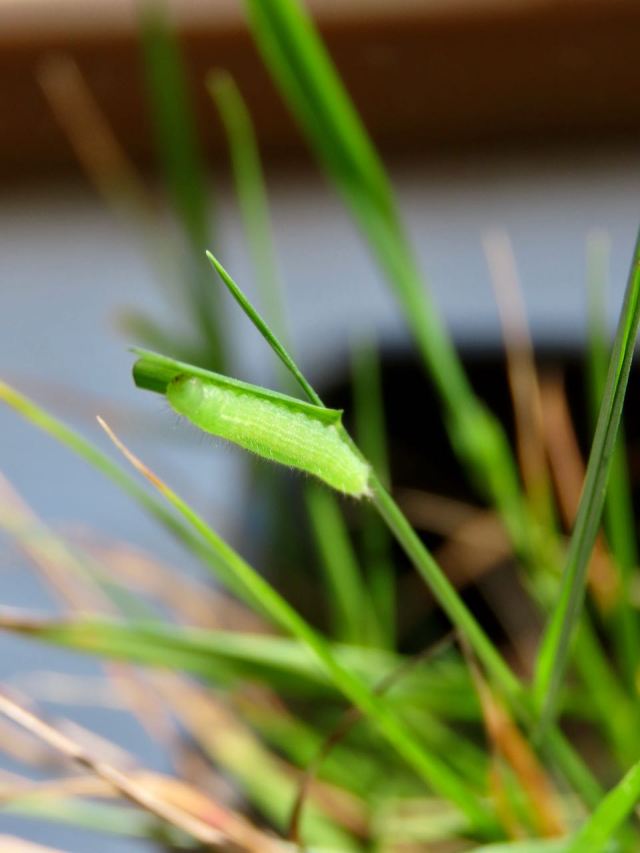
They were really very happy with their pot of grass and before I knew had grown into rather handsome green caterpillars.

I was trilled when they turned out to be Speckled wood! I’ve never had a chance to raise this type of butterfly before so having three of them was awesome.

So, Speckled wood grows into a brown medium sized butterfly with a wingspan of 47mm-50mm and they like to visit woodlands, gardens and anywhere with sunny spots.

Just to point out my butterfly raising disclaimer, I’m only rescuing the ones I can identify as eggs as some caterpillars can be tricky to raise or are protected species. If I don’t trust that I can look after them properly and give them the right food plant/proper environment then my plan is always to just leave them alone.

They formed their short curvy pupa in the autumn and I’ve been checking on them all winter, I literally can’t express how happy it made me to care for these three caterpillars, I genuinely never ever thought something like Speckled wood would ever lay their eggs in my garden.

The lovely green pupa turned black and within 48 hours I had three perfect butterflies! Now I only kept these ones for a few hours as they prefer to feed on honeydew (which is the bottom secretions of aphids!) rather than nectar and as I try not to raise aphids I released the three amigos once their wings had dried out.

But aren’t they such a lovely brown colour.

Although releasing the butterflies I’ve raised is genuinely the best part of caring for these creatures it always makes me a little sad as I become so emotionally invested in them.

Silly really.

Speckled Wood is a clever butterfly as they can survive the winter in either the caterpillar or pupa part of their life cycle and then hibernate over winter before emerging in some time in April as beautiful butterflies. 

So thats it for this week, I really hope you enjoyed this little slice of fluttery goodness! I feel so incredibly privileged to be able to care for these creatures for like seven months or so.

As always thank you so much for reading this post and have a great week!

Meadow Brown vs Gatekeeper!

Hey friends! 

This week I’ve got a two new butterfly photographs to share with you, you’ve probably seen them in your gardens or local parks, small, unassuming little brown and orange butterflies flitting from flower to flower.

These are two of our most abundant butterflies and usually one or the other win the top spot in Save Butterflies summer citizen science experiment the Big Butterfly Count.

These two types of butterfly look more or less identical…

Meadow Brown (Maniola jurtina) is often the most abundant butterfly in many habitats, from gardens to quarries and is even spotted fluttering about even on overcast days, which is unusual as most butterflies are inactive in dull weather. They are a member of the ‘brown’ family and have a wingspan of up to 55mm.

The Gatekeeper (Pyronia tithonus) also known as the Hedge Brown is most likely to be spotted where clumps of flowers grow near gates or along hedges. Gatekeepers are often seen out and about with Ringlets and Meadow Browns and sometimes its quite hard to tell them apart. They are slightly smaller than Meadow Brown with a wingspan of up to 47mm (so theres not a lot in it size wise).

Continue reading “Meadow Brown vs Gatekeeper!”

Ringlet butterfly photography!

Hello my friends! 

I hope you’re well!

This weeks post is a butterfly centred photography collection. 

Admittedly I took these photographs last summer and because of life never got around to posting them so I thought I’d share them now. 2025 was an amazing year for chasing butterflies, the weather was glorious and there were so many more pollinators than the previous year. 

I met so many Ringlet butterflies…they were everywhere, Cabilla Wood (an amazing ancient woodland near to Bodmin), the village churchyard, almost every lane I walked down and even in my very own garden. It. Was. lovely.

All in all I took nearly 3000 photographs in 2025…mainly of bugs, nature and my dogs.

Continue reading “Ringlet butterfly photography!”

Creating a caterpillar nursery (Red ads & Commas)

Hello my friends,

I’ll admit the last couple of weeks have got away from me slightly, I genuinely cannot believe how busy I’ve been and at the same time don’t feel as though I’ve achieved anything (if that makes sense!).

Still, I’ve got a new butterfly tale for you this week. All summer I’ve been raising various butterflies (like I do each year!) the garden has been wonderfully filled with Comma (Polygonia c-album) and Red Admiral (Vanessa atalanta) caterpillars in the nettle patch that grows under the apple tree in my garden – unfortunately the nettles themselves are giant and literally grow up into the branches of the tree, I try to leave them alone as much as possible but once the spears are over six foot tall I clip them down to the ground and challenge them to grow again!

When it comes to cutting them down I actually check each spear and save the bugs, this year there were so many caterpillars I decided to create a ‘caterpillar nursery’ and try to recreate the nettle patch using potted nettles (yes, I also grown the stingy stuff in pots!).

Red Admirals in particular are always at risk of being attacked by parasitic flies/wasps which is a horrible way for them to die. So I get very excited when I them in the garden.

I’m totally fascinated with caterpillars, Red ad cats are fairly beige when tiny but when fully grown can be either black with a light green stripe or green which I magical! And Commas are little black cats that that become black/white/orange as they grow – its quite a pretty caterpillar, they have such cute antennae.

Continue reading “Creating a caterpillar nursery (Red ads & Commas)”

Clouded Yellow {new butterfly experience}

Hey friends! 

I’ve got four new photographs to share with you this week, I’m literally having the best butterfly year of my life! It helps that the weather has been amazing and my wildlife garden is more or less finished (it will never be totally finished of course!) But creating a nectar rich garden and letting the space re-wild as much as possible has brought so many new types of butterfly to my garden this year.

Including this little lovely thing, she’s a female (I think) Clouded Yellow butterfly (Colias croceus) who is one of our regular and specular migrant species! They are seen in the UK most years but when the weather is like it has been then these guys are known for mass migrations and create something called a ‘clouded yellow year’, which is cool.

Continue reading “Clouded Yellow {new butterfly experience}”