Raising Orange Tip Butterflies (2026 edition)

Hey friends!

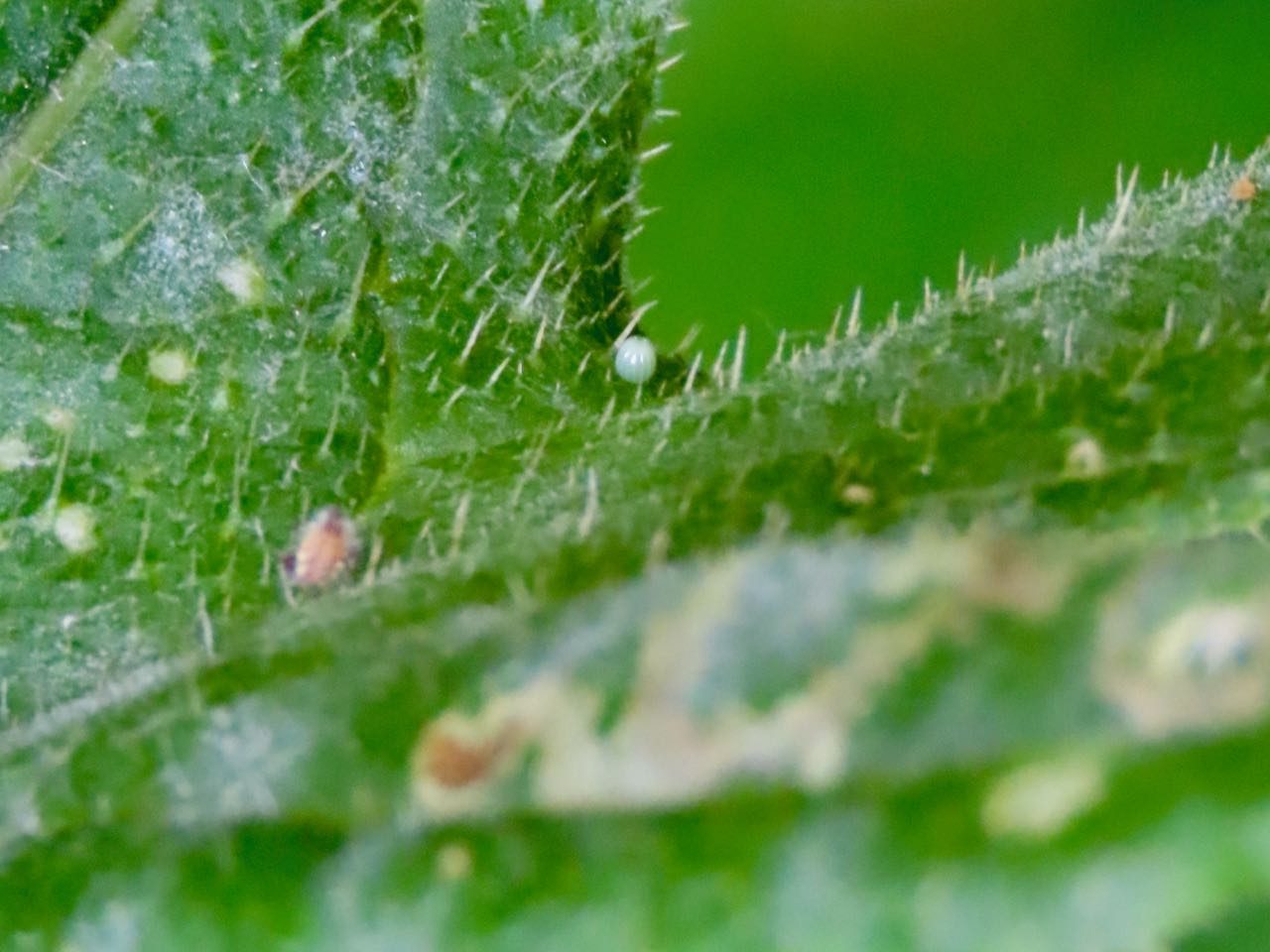
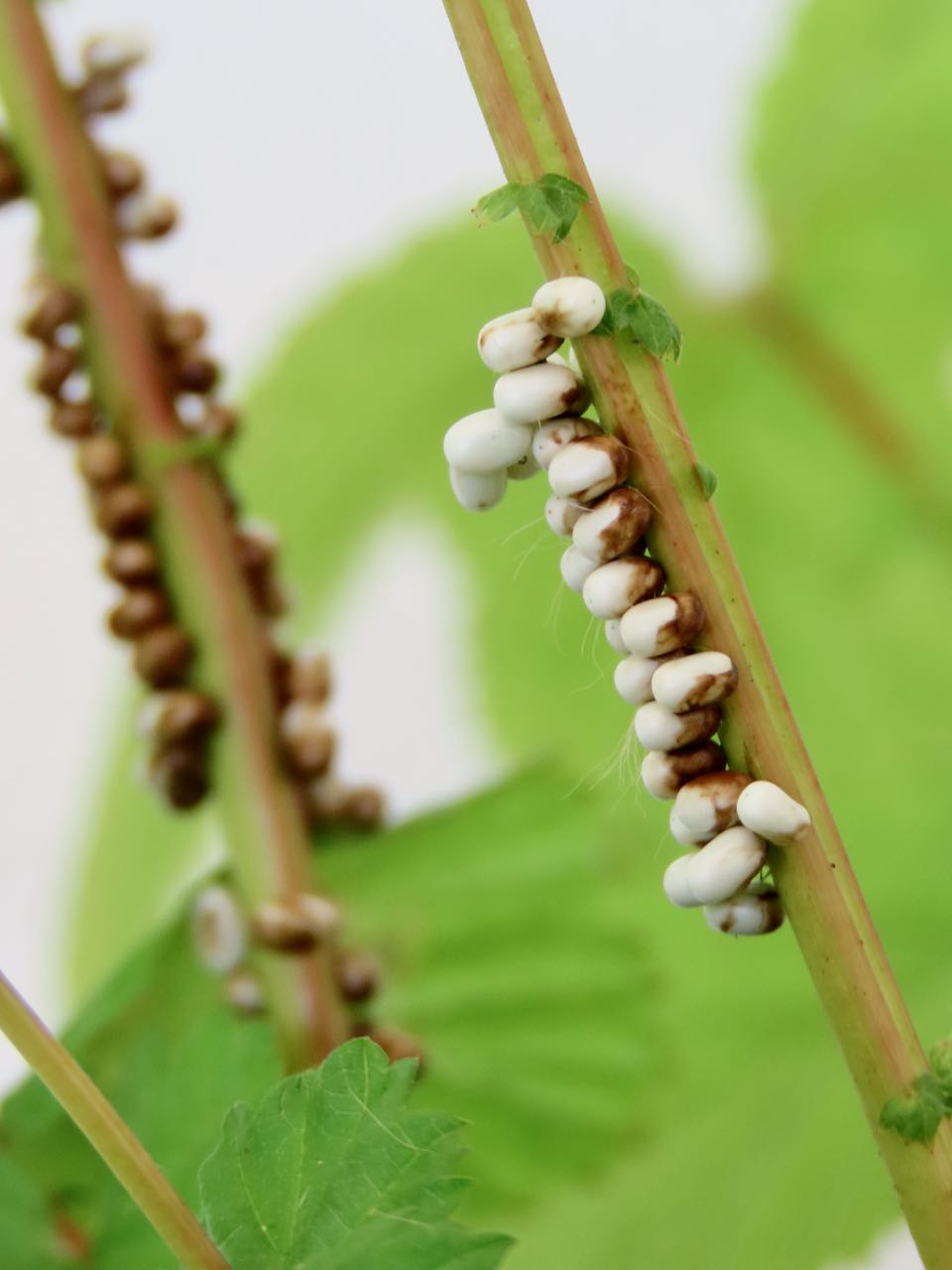
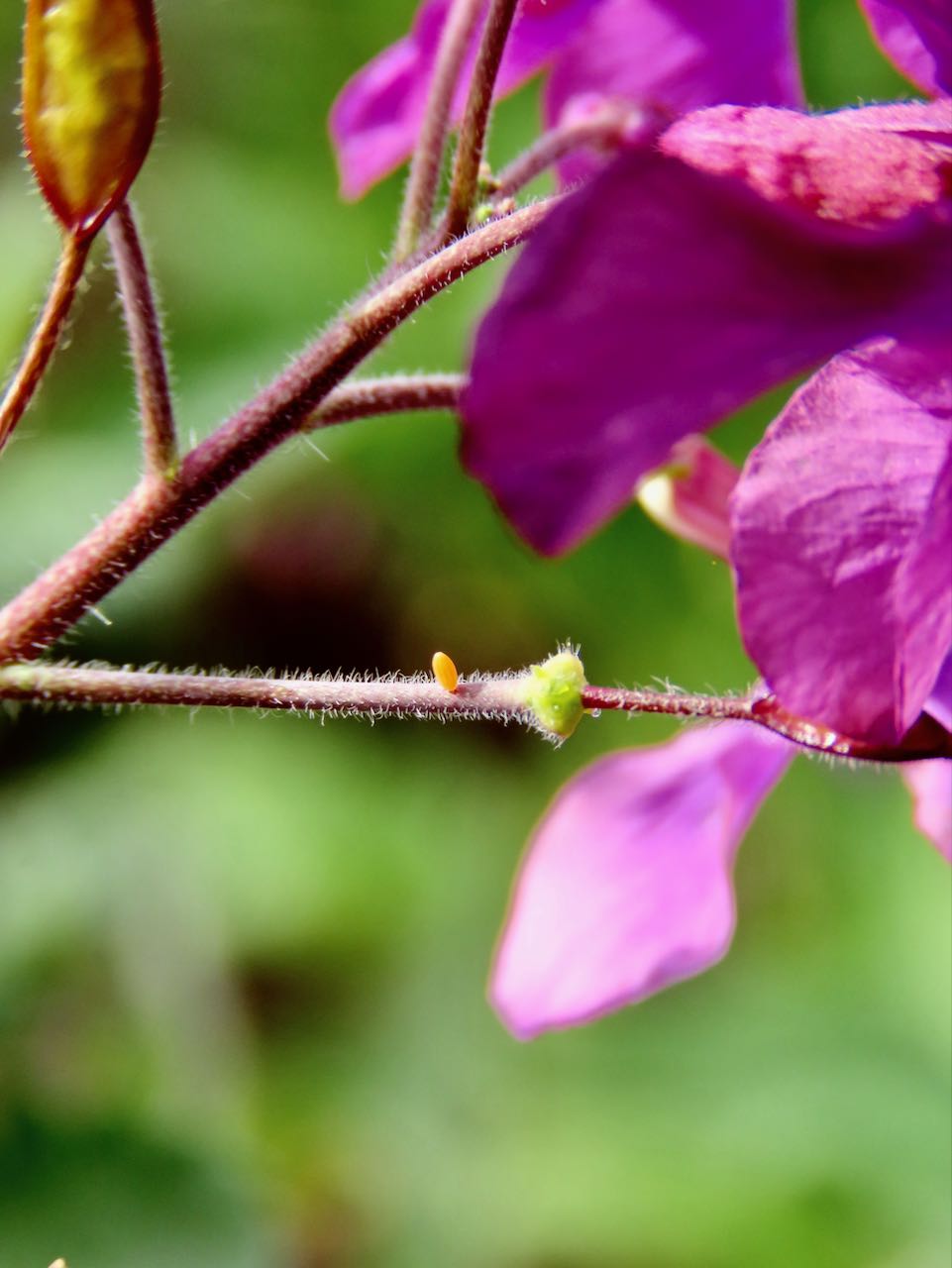
I’ve got another brand new Butterfly Tale for you this week which is exciting and has been a whole year in the making. When I planted my Honesty seeds last summer I did so in the hope that Orange tips would come and lay eggs in the garden – in 2024 I only found a single egg and cared for her as much as possible, so I was thrilled to find not one but eleven eggs in the spring of 2025!

They were spread across several plants, Orange tips do this because the caterpillars are cannibalistic when small although I’ve never worked out if that means they eat all caterpillars or just their brethren). I sleeved each egg in a mesh bag to keep them safe from predators and checked on them after about three weeks.

Eight of the eggs had hatched into tiny green caterpillars!

Orange tip butterflies really like to lay their eggs on Lady’s smock which seemed to flower later than normal but thankfully my Honesty plants were massive and I’d grown plenty of them!

Popular belief says they don’t do well on Honesty but they all survived!

They seemed to be small for ages, but once they were almost fully grown I popped them all into a house together to form their pupa as we had bad weather coming and I didn’t want them to die after working so hard to grow this big.

Just to point out my usual butterfly raising disclaimer, I’m only rescuing the ones I can identify as eggs as some caterpillars can be tricky to raise or are protected species. If I don’t trust that I can look after them properly and give them the right food plant/proper environment then my plan is always to just leave them alone.

In the end they all pupated in the same corner of the house (about three days later) and I was able to carefully move them to a small travel case were they have remained before successfully emerging as beautiful butterflies. 

I have literally been caring for these creatures for a year! When I moved into my house back in 2022 I found three Orange tip pupa when I was clearing the garden (boy did it need work!) which emerged in 2023. That year I found only two caterpillars which didn’t ever emerge, then in 2024 there was only one Orange tip and for 2025 I found these ones.

Orange tip butterflies (Anthocharis cardamines) and are considered a medium sized butterfly with a wing span of up to 5cm. The males have a large orange spot on the forewing while the females look like a Small white.

The big release day came and went and off they flew out into the big wild world.

The weather has a lot to do with the success of these butterflies 2024 in particular was a really wet spring and the pollinators suffered as a result.

I planted more Honesty seeds than normal last summer and already have enough plants for these guys to for forth and hopefully get busy, also the front garden is full of these delicate pink lady’s smock flowers which is their favourite egg host plant! I can’t raise these ones indoors but I can certainly give them extra amounts of plants in the garden.

Thanks so much for reading this post and I as always wish you a happy and love filled week ahead.

Raising Speckled Wood Butterflies

Hey friends! I’ve got a new Butterfly Tale for you this week!!

This is very much a surprise butterfly tale, last year I decided to weed the grass out of my birds foot trefoil pots and I found three little cream coloured eggs!

I felt really bad about disturbing them and popped the little stems of grass into an enclosure in my butterfly house with (don’t judge me) a new pot of fine stem grass…thats right I actually potted up grass (my brother thought I’d lost my mind).

After really studying the eggs I guessed they were either going to be Speckled wood/Meadow brown/Gate keeper or a type of grass eating moth – I figured that if they were actually going to eat birds foot trefoil then the eggs wouldn’t have been laid on the grass.

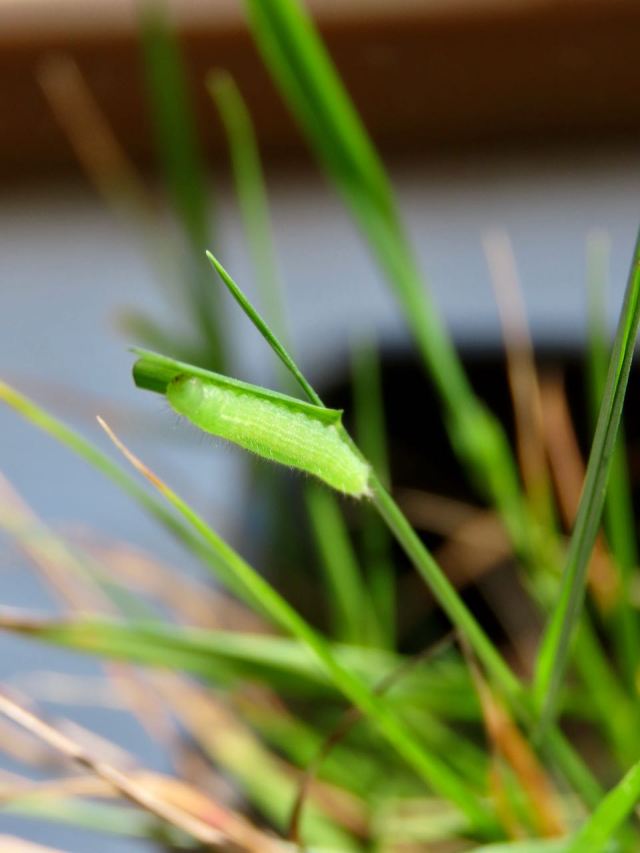
They were really very happy with their pot of grass and before I knew had grown into rather handsome green caterpillars.

I was trilled when they turned out to be Speckled wood! I’ve never had a chance to raise this type of butterfly before so having three of them was awesome.

So, Speckled wood grows into a brown medium sized butterfly with a wingspan of 47mm-50mm and they like to visit woodlands, gardens and anywhere with sunny spots.

Just to point out my butterfly raising disclaimer, I’m only rescuing the ones I can identify as eggs as some caterpillars can be tricky to raise or are protected species. If I don’t trust that I can look after them properly and give them the right food plant/proper environment then my plan is always to just leave them alone.

They formed their short curvy pupa in the autumn and I’ve been checking on them all winter, I literally can’t express how happy it made me to care for these three caterpillars, I genuinely never ever thought something like Speckled wood would ever lay their eggs in my garden.

The lovely green pupa turned black and within 48 hours I had three perfect butterflies! Now I only kept these ones for a few hours as they prefer to feed on honeydew (which is the bottom secretions of aphids!) rather than nectar and as I try not to raise aphids I released the three amigos once their wings had dried out.

But aren’t they such a lovely brown colour.

Although releasing the butterflies I’ve raised is genuinely the best part of caring for these creatures it always makes me a little sad as I become so emotionally invested in them.

Silly really.

Speckled Wood is a clever butterfly as they can survive the winter in either the caterpillar or pupa part of their life cycle and then hibernate over winter before emerging in some time in April as beautiful butterflies. 

So thats it for this week, I really hope you enjoyed this little slice of fluttery goodness! I feel so incredibly privileged to be able to care for these creatures for like seven months or so.

As always thank you so much for reading this post and have a great week!

Meadow Brown vs Gatekeeper!

Hey friends! 

This week I’ve got a two new butterfly photographs to share with you, you’ve probably seen them in your gardens or local parks, small, unassuming little brown and orange butterflies flitting from flower to flower.

These are two of our most abundant butterflies and usually one or the other win the top spot in Save Butterflies summer citizen science experiment the Big Butterfly Count.

These two types of butterfly look more or less identical…

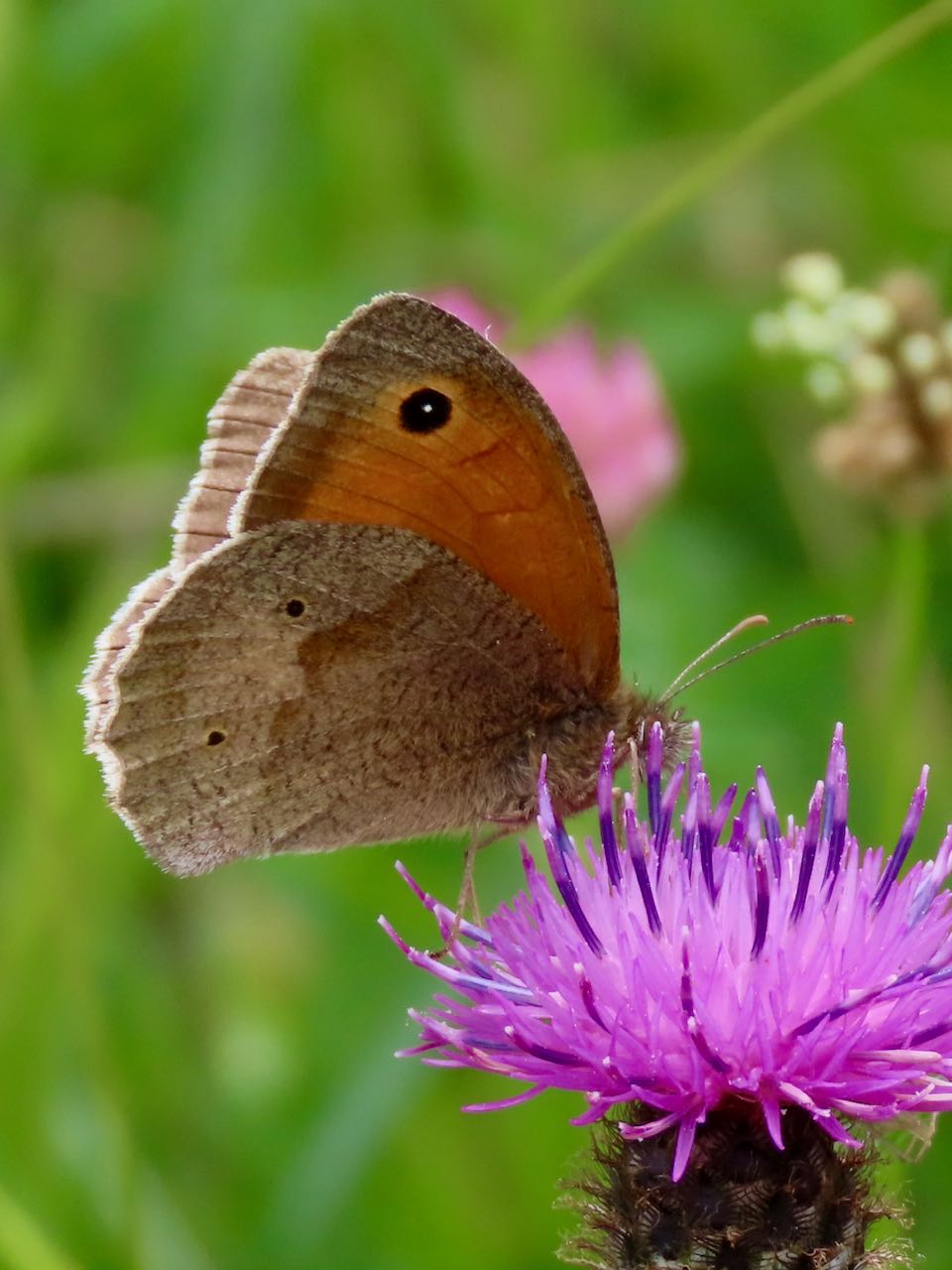
Meadow Brown (Maniola jurtina) is often the most abundant butterfly in many habitats, from gardens to quarries and is even spotted fluttering about even on overcast days, which is unusual as most butterflies are inactive in dull weather. They are a member of the ‘brown’ family and have a wingspan of up to 55mm.

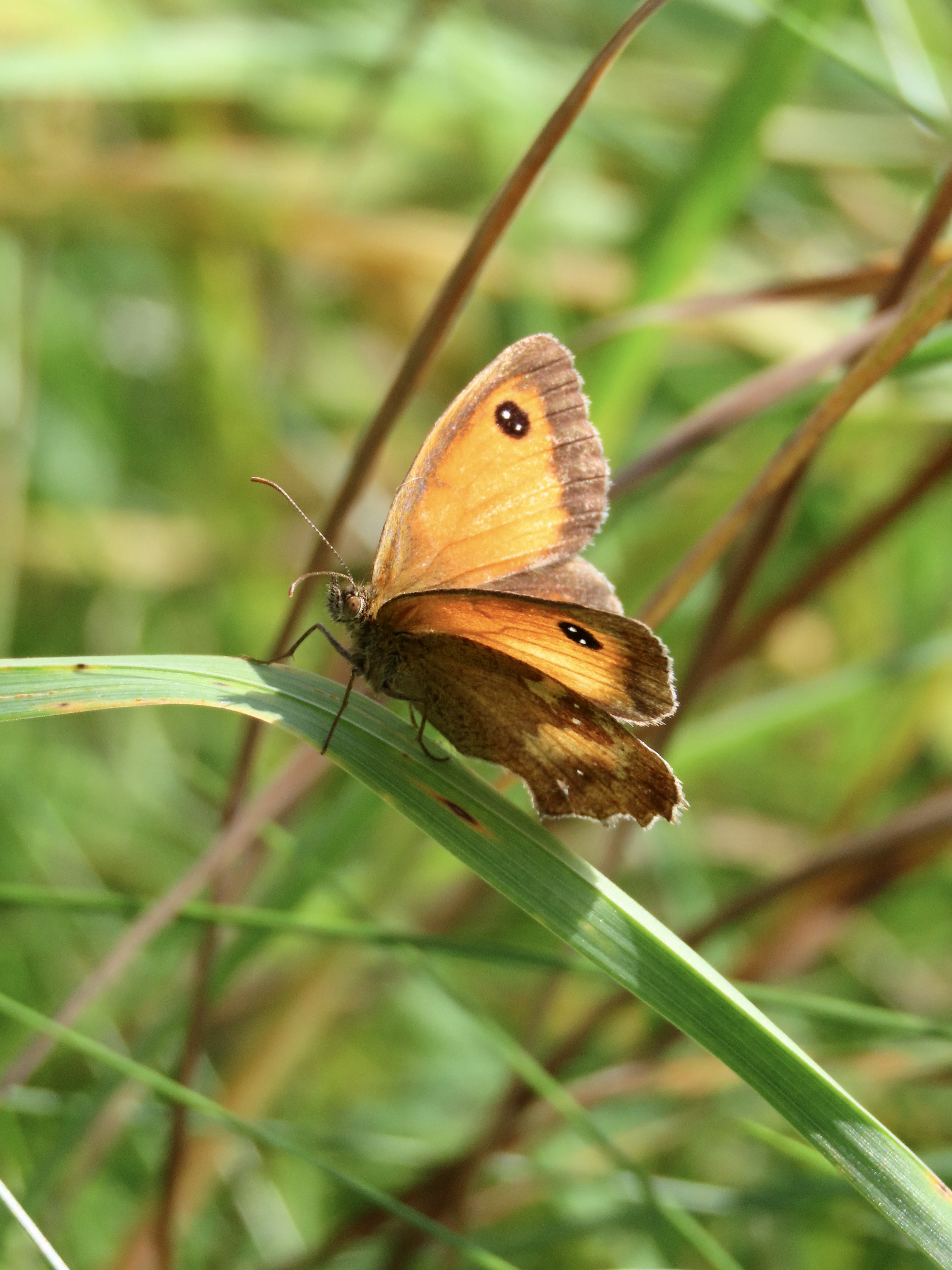
The Gatekeeper (Pyronia tithonus) also known as the Hedge Brown is most likely to be spotted where clumps of flowers grow near gates or along hedges. Gatekeepers are often seen out and about with Ringlets and Meadow Browns and sometimes its quite hard to tell them apart. They are slightly smaller than Meadow Brown with a wingspan of up to 47mm (so theres not a lot in it size wise).

Continue reading “Meadow Brown vs Gatekeeper!”

Robin {One frame}

Hey friends! 

Can you believe it will be February tomorrow?!

I’ve got a little one frame to share with you this week, now I don’t often don’t often snap photos of bird (I really struggle getting them to appear sharp instead of overly soft) but while I was wandering recently, between the storms we’ve had over the last couple of weeks this rather friendly little robin came and stood beside me on the low branches of a tree.

He or she is a obviously a Robin (Erithacus rubecula) which is, according to the RSPB the UK’s favourite bird. Males and females look pretty much identical and like to sing nearly all year round and despite their cute appearance, they are aggressively territorial and will fight off intruders to protect their patch of garden.

It really was very beautiful moment!!

And once I got home and was able to have a proper look at my snaps, I was pleasantly surprised at how clear the photos were, you can see the definition of his little feathers and everything!

In other news the first disasters of 2026 have happened, they say things always come in threes! Firstly my washing machine tried to take flight and promptly smelt like burning rubber (not nice!), secondly my air source heat system died and has got to be completely replaced including all the pipes and stuff and the radiators are being moved which is gonna mess up my wallpaper (yay!) and thirdly my butterfly house/shed kinda flooded this week – I was super upset I’ve never owned a shed and had worked really hard to make it pretty, the worst part is I literally can’t do anything to fix it until the rain stops and it has a chance to dry out.

So onwards and upwards I’m hoping to get all the bad stuff out of the way early in the year.

Thanks for stopping by to check out this post, is the Robin your favourite garden bird? I’d love to know. As always thanks for reading and have a wonderful week!

Ringlet butterfly photography!

Hello my friends! 

I hope you’re well!

This weeks post is a butterfly centred photography collection. 

Admittedly I took these photographs last summer and because of life never got around to posting them so I thought I’d share them now. 2025 was an amazing year for chasing butterflies, the weather was glorious and there were so many more pollinators than the previous year. 

I met so many Ringlet butterflies…they were everywhere, Cabilla Wood (an amazing ancient woodland near to Bodmin), the village churchyard, almost every lane I walked down and even in my very own garden. It. Was. lovely.

All in all I took nearly 3000 photographs in 2025…mainly of bugs, nature and my dogs.

Continue reading “Ringlet butterfly photography!”

Ladybug beetles {One frame}

Greetings Friends!

Autumn is upon us!

So is a short post from me…

The leaves are falling, the warm clothes are out – along with my favourite winter boots and there is also a total abundance of ladybug beetles!! Over the last week they’ve literally decided that since the weather has turned chilly its best to go and find somewhere nice to hibernate for the winter…although quite a few of them have made their way into the kitchen. My butterfly house is also filled with them, its been like flying ant day but prettier.

Its been a couple of months since I last posted a One Frame so while I was watching (and wearing) the ladybugs I thought I’d take as many photos as I could in hopes of a few good snaps to share here.

Like this one, I think they’re harlequin ladybugs, but I’m not an expert and I think all beetles are pretty cool. I actually find it really hard to photograph these teeny tiny fellas, so when I get a snap thats in focus I get quite excited!

So with that in mind I really hope you like this ladybug post and are enjoying the beginnings of autumn wherever you are. I’m planning to post an update to my Wonderland flowers denim jacket embroidery next week.

Thank you so much for reading this post, and have a lovely, peace filled week!

Creating a caterpillar nursery (Red ads & Commas)

Hello my friends,

I’ll admit the last couple of weeks have got away from me slightly, I genuinely cannot believe how busy I’ve been and at the same time don’t feel as though I’ve achieved anything (if that makes sense!).

Still, I’ve got a new butterfly tale for you this week. All summer I’ve been raising various butterflies (like I do each year!) the garden has been wonderfully filled with Comma (Polygonia c-album) and Red Admiral (Vanessa atalanta) caterpillars in the nettle patch that grows under the apple tree in my garden – unfortunately the nettles themselves are giant and literally grow up into the branches of the tree, I try to leave them alone as much as possible but once the spears are over six foot tall I clip them down to the ground and challenge them to grow again!

When it comes to cutting them down I actually check each spear and save the bugs, this year there were so many caterpillars I decided to create a ‘caterpillar nursery’ and try to recreate the nettle patch using potted nettles (yes, I also grown the stingy stuff in pots!).

Red Admirals in particular are always at risk of being attacked by parasitic flies/wasps which is a horrible way for them to die. So I get very excited when I them in the garden.

I’m totally fascinated with caterpillars, Red ad cats are fairly beige when tiny but when fully grown can be either black with a light green stripe or green which I magical! And Commas are little black cats that that become black/white/orange as they grow – its quite a pretty caterpillar, they have such cute antennae.

Continue reading “Creating a caterpillar nursery (Red ads & Commas)”

Raising Large White Butterflies (2025 edition)

Hello my friends,

Happy weekend!!

I’ve got a new butterfly tale for you this week. I’m a great lover of ‘Cabbage butterflies’ they’re pretty much considered a pest and we as humans seem to actively seek and destroy them, which I find really sad so its become fairly well known that I purposely grow cabbages for the butterflies as I view them as a butterfly underdog. 

Anyway, this post began last autumn when the last batch of Large white (Pieris brassicas) caterpillars were happily munching on the last of my cabbages just as the rainy season started. I moved them (cabbage and all) into my butterfly house where they began to pupate over the next few days – these butterflies overwinter in the pupa stage and emerge in spring. So I had 43 of these pupa to guard over the cold moths. (if you want to see a reel of one after its release click HERE *link takes you to my IG*)

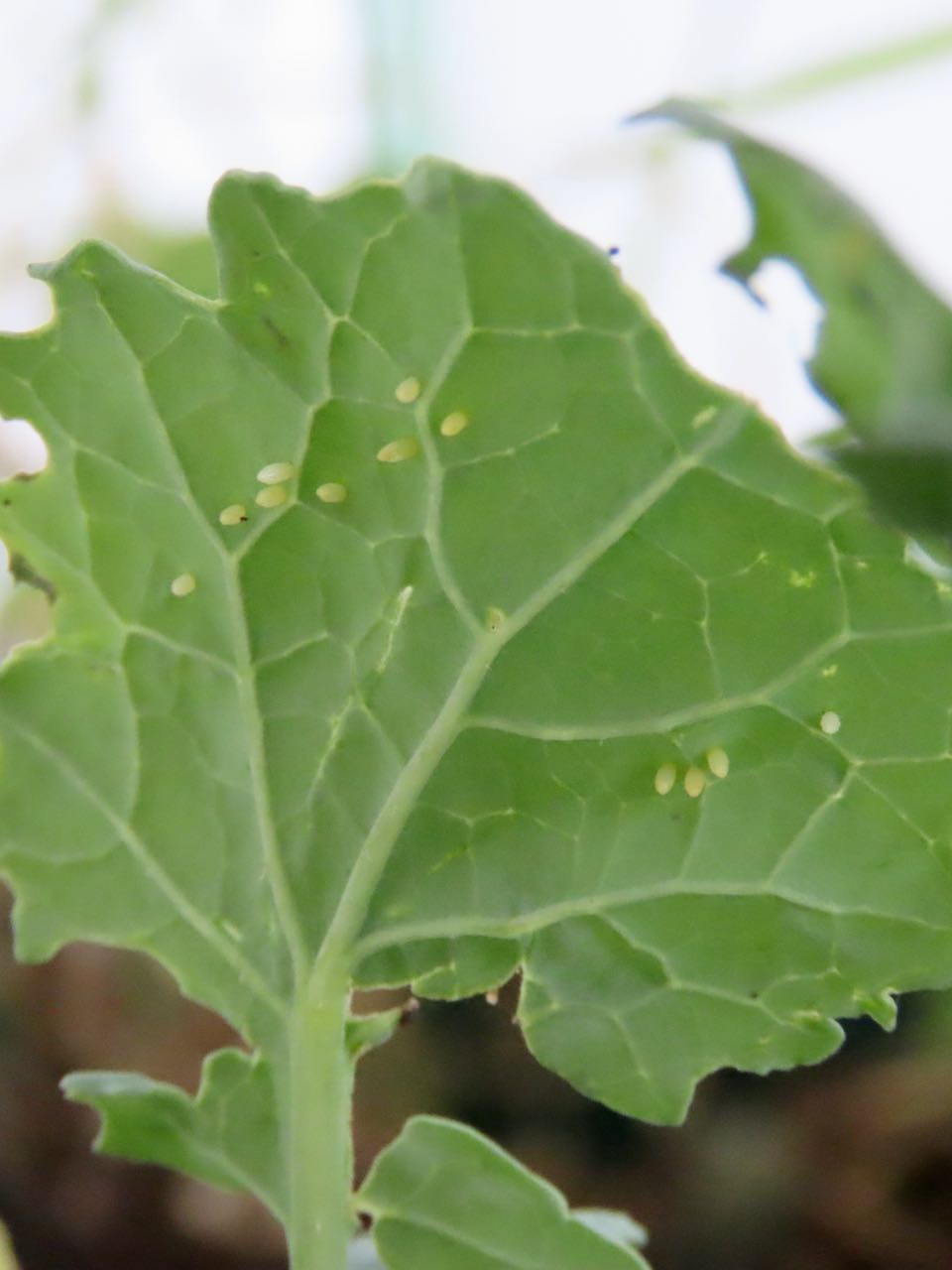
Excitingly these butterflies all successfully emerged and were released back at the end of April, Large whites are funny they don’t like to breed indoors but the minute they’re outside they mate left, right and centre, one of the females laid a batch of eggs on my Honesty plants, as my cabbages weren’t very big – unfortunately I didn’t spot the tiny caterpillars until I’d cut the plant down, so feeling guilty I bought them a tray of baby cabbage plants and moved them to safety. 

They ate me out of house and home!

Continue reading “Raising Large White Butterflies (2025 edition)”

Silver Studded Blue {One frame}

Hello my friends! 

I did it I finally sat and typed something up for my blog for my self imposed Fri/Sat deadline!!

Recently I’ve been out on a few adventures and exploring nature filled places. I find being out in the wild to be so soothing and being outdoors comes with the added bonus of finding some new things to snap and share with you…

I recently spent a sunny day wandering around a wonderful little National trust place called Cubert Common, which is such a beautiful landscape to visit. I even met some new butterflies, specifically Silver-Studded blues! Including this one, isn’t he lovely?! 

Silver-Studded blue (Plebejus argus) is considered to be another of our butterflies that is becoming increasingly rare so it was awesome to see over twenty of them enjoying the sunshine! Literally I’ve taken so many photos of them!!

This small butterfly which has a wingspan of around 3cm is found mainly in heathland where they fly low over the heather – their main caterpillar food plant.

The males are a vibrant blue like this one, while the females are actually browning and nowhere near as showy, both sexes have distinct metallic spots on the lower underwing – these tiny markings are used to help distinguish them from the equally lovely Common Blue.

I cannot get over how pretty they are, they have such big eyes and cute stripy antennae.

I really hope you like this photo and that my nature filled posts spread a little bit of happiness in your direction.

As always thanks for reading and have a wonderful week!
Ps. If you want to see more of Cubert Common why not check out one of my previous posts about it HERE!

Raising a surprise Small Tortoiseshell

Hey friends! I’ve got a new Butterfly Tale for you this week!!

Again I missed my Friday/Saturday posting day, but hey it’s only Sunday!

I’ve had a chance to raise a new surprise butterfly, a surprise Small Tortoiseshell butterfly to be precise. A few weeks ago I was sitting quietly in the garden enjoying an afternoon in the sun when this little guy crawled up my arm.

Honestly I jumped out of my skin!

Funky looking ain’t he?

Anyway this fellow is a Small Tortoiseshell (Aglais urticae) and are a medium/large sized butterfly with a wing span of up to 5.5cm, and are one of our most top 5 butterflies who use the common ol’ nettle as its food plant.

Continue reading “Raising a surprise Small Tortoiseshell”